


There’s a quiet revolution happening behind the scenes of modern business. It’s not flashy. You won’t see it trending on social media or splashed across billboards. But it’s there — in the warehouses that run smoother than ever, the factories producing with less waste, the offices powered by dashboards instead of guesswork.
Companies today are under pressure from every direction: rising costs, stricter laws, customer expectations that feel almost impossibly high. And yet, many are thriving. Not because they’re bigger. Not because they’re louder. But because they’re smarter about how they operate.
Let’s talk about what that actually means.
Efficiency Isn’t Just About Speed Anymore
For years, operational efficiency meant doing more in less time. Faster production. Faster delivery. Faster decision-making. But speed without strategy? That’s just chaos moving quickly.
Today’s forward-thinking companies are focusing on optimized operations in a deeper, more intentional way. It’s not about pushing employees harder or buying the latest tech just because everyone else is. It’s about aligning processes so that every moving part — from procurement to customer service — works in harmony.
I once spoke to a mid-sized manufacturing business owner who described it perfectly. “We didn’t need more people,” he said. “We needed better visibility.” Once they implemented smarter tracking systems and restructured workflows, bottlenecks practically revealed themselves. The result wasn’t just higher output — it was less stress across the board.
That’s the thing about true optimization. It’s not loud. It feels almost anticlimactic. But over time, it changes everything.
The Growing Importance of Clean and Safe Processes
In sectors like manufacturing, food production, and water treatment, efficiency alone isn’t enough. Safety and quality matter just as much — maybe more.
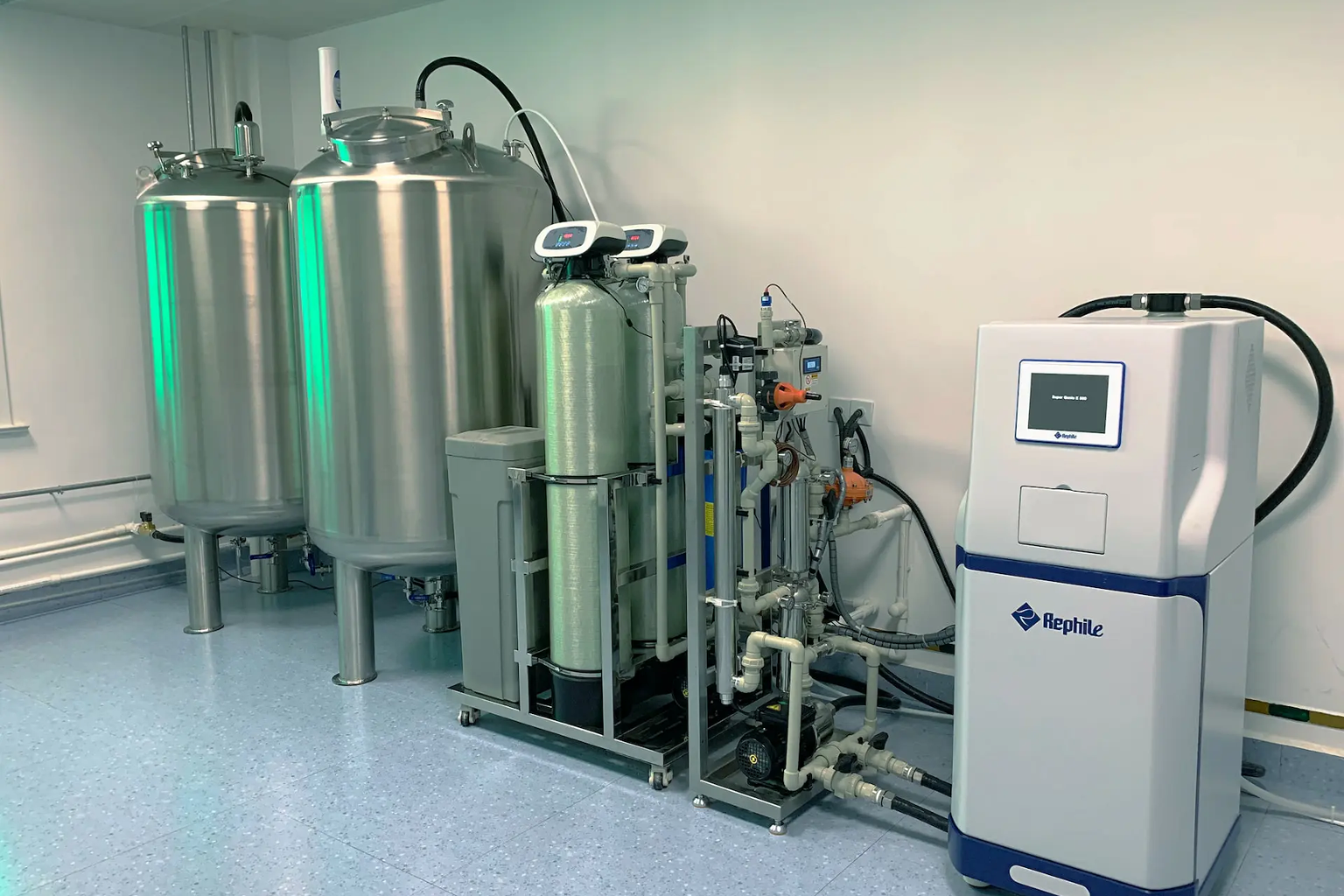
Take industrial water systems as an example. Poor filtration doesn’t just lead to equipment damage; it can create serious health risks. That’s why businesses are investing heavily in better contaminant removal strategies. Not because it looks good in a report, but because it protects employees, customers, and the environment.
And honestly, consumers are paying attention now. They want transparency. They want to know that the products they use — whether it’s packaged food or tap water — are safe and responsibly produced. One slip-up can spiral into a PR nightmare overnight.
What’s interesting is how technology is stepping in here. Advanced monitoring sensors, AI-driven diagnostics, and real-time reporting tools are allowing companies to detect problems before they escalate. Instead of reacting to contamination issues, businesses can prevent them.
That proactive mindset is becoming the new normal.
Regulations: A Burden or an Opportunity?
Let’s be honest — no one wakes up excited about compliance paperwork. Regulations can feel restrictive, expensive, even frustrating. But the narrative is shifting.
More organizations are beginning to see regulatory compliance not as a box to check, but as a framework for accountability and trust. When done right, compliance builds credibility. It signals to investors, partners, and customers that a company takes responsibility seriously.
In industries like pharmaceuticals, energy, and environmental services, compliance standards are tightening every year. The businesses that struggle are often the ones trying to patch systems together at the last minute. The ones that succeed? They integrate compliance into their operational DNA from the start.
There’s something almost calming about that approach. Instead of scrambling before an audit, you’re always prepared. Instead of fearing new laws, you adapt early.
And in many cases, the systems put in place for compliance end up improving overall performance anyway. Cleaner data collection. Better documentation. Stronger internal controls. It’s not just about avoiding fines — it’s about running a more resilient organization.
Technology as a Quiet Game-Changer
If you peel back the curtain, technology is at the center of this shift. Automation tools reduce human error. Data analytics platforms uncover patterns that would’ve gone unnoticed ten years ago. Cloud-based systems allow teams to collaborate seamlessly, even across continents.
But here’s the catch — technology alone doesn’t fix broken processes. It amplifies whatever is already there. If a workflow is inefficient, adding software might just make the inefficiency more visible.
That’s why strategy matters first.
Businesses that take the time to evaluate their operations holistically tend to see the biggest gains. They ask uncomfortable questions. Where are we wasting time? Where are we vulnerable? What happens if demand suddenly doubles — or drops?
Those conversations aren’t always easy. But they’re necessary.
Culture Still Matters More Than We Admit
All the systems in the world won’t help if people resist change. I’ve seen companies invest thousands into new platforms only to have employees quietly revert to spreadsheets and manual processes because no one explained the “why.”
Operational improvement isn’t just technical. It’s cultural. Leaders need to communicate clearly, involve teams in decision-making, and celebrate small wins along the way.
When employees understand how smarter processes reduce repetitive work, prevent crises, and create stability, buy-in follows naturally. It doesn’t happen overnight, but it happens.
And when it does, momentum builds.
Looking Ahead: Sustainable, Smart, and Steady
We’re entering an era where businesses can’t afford to be reactive. The world moves too fast. Market conditions shift overnight. Regulations evolve. Customer expectations grow sharper.
The companies that thrive will be the ones that prioritize smarter systems over short-term shortcuts. They’ll invest in cleaner processes, proactive risk management, and long-term operational clarity.
It’s not glamorous work. It doesn’t always make headlines. But it’s foundational.
Behind every reliable product, every smooth delivery experience, and every trusted brand is a network of systems working quietly in the background. When those systems are thoughtfully designed and carefully maintained, everything else flows.
And maybe that’s the real lesson here: sustainable success isn’t built on hustle alone. It’s built on intention, adaptability, and a willingness to improve — even when no one’s watching.