
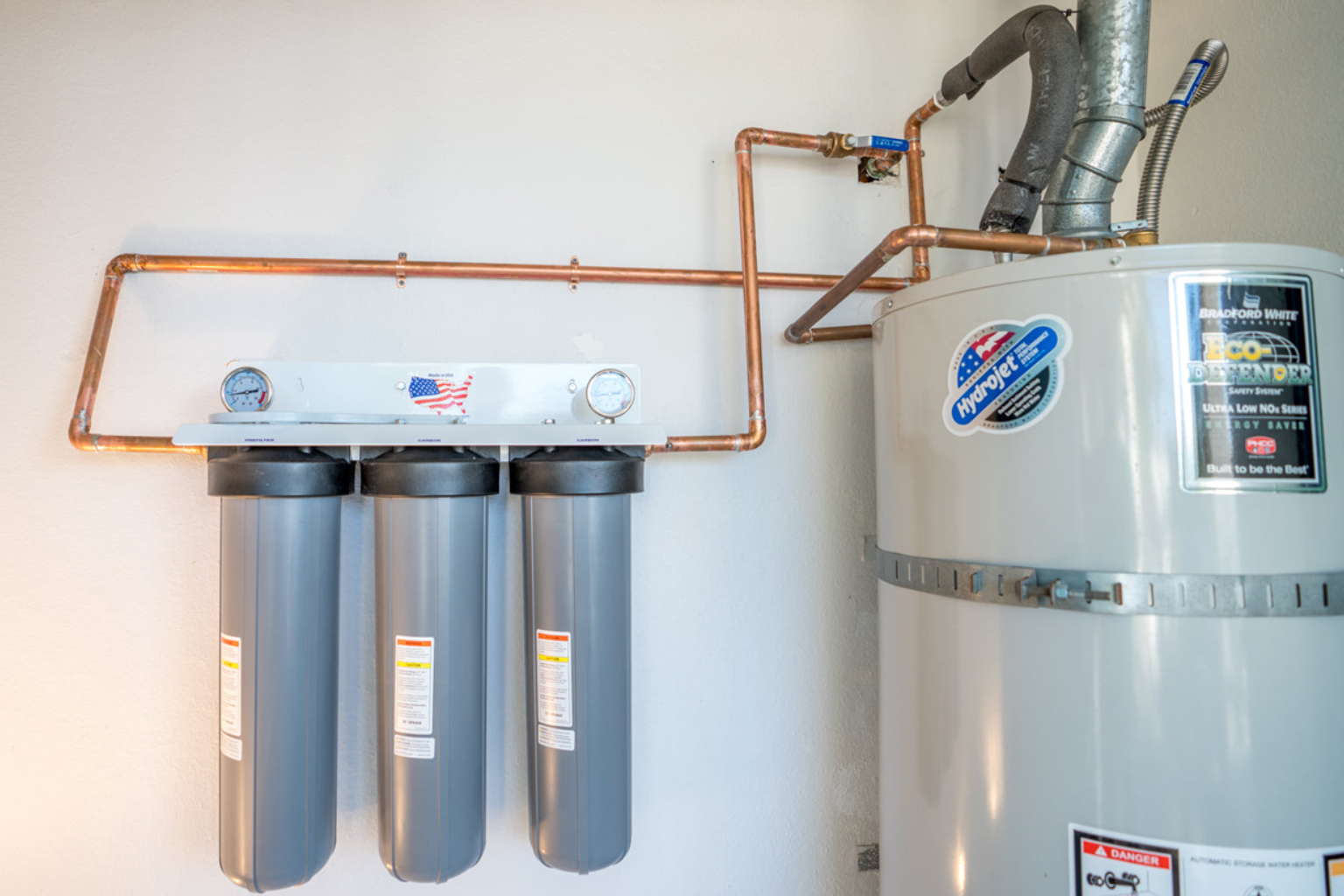


It’s funny how we obsess over detergents, shampoos, and cleaning sprays… yet rarely think about the one thing they all depend on.
Water.
You can buy the most expensive laundry detergent on the shelf, invest in premium dishwasher pods, and splurge on salon-quality hair products. But if your water is working against you, those products can only do so much.
Hard water — the kind packed with calcium and magnesium — quietly interferes with everyday life. It leaves residue behind, reduces lather, and slowly builds scale inside pipes and appliances. You don’t always notice it immediately. But once you do, it’s hard to unsee.
And once you address it? The difference feels surprisingly personal.
The Truth About Cloudy Glassware
Have you ever pulled clean dishes from the dishwasher only to find faint white spots clinging to the surface?
At first, you might blame the detergent. Or the rinse cycle. Or the dishwasher itself.
But more often than not, the culprit is mineral residue left behind by hard water. When water evaporates, those minerals stay behind. That’s what creates the cloudy haze on glasses and streaks on plates.
Softened water reduces that buildup dramatically. The minerals are removed before they ever reach your dishes. The result? Fewer streaks. Less scrubbing. And eventually, spot free dishes that actually look clean when they come out of the rack.
It’s a small victory. But it’s satisfying.
Why Your Laundry Feels Stiff
Hard water doesn’t just affect glassware. It clings to fabric fibers, too.
Minerals can trap soap residue in clothing, making towels feel rough and shirts lose their softness over time. You might notice that no matter how much fabric softener you use, the result isn’t quite what you expected.
When water is softened, detergents dissolve more completely and rinse away cleanly. Fabric fibers aren’t coated with leftover minerals.
The difference often shows up after just a few washes. Towels feel lighter. Clothes drape better. Over time, you may notice softer laundry without increasing detergent amounts or adding extra products.
It’s not magic. It’s chemistry working in your favor instead of against you.
The Shower Difference You Didn’t Expect
This one surprises a lot of people.
Hard water doesn’t rinse soap away as efficiently. That leftover residue can linger on your skin and hair. Some people describe their skin as feeling tight or dry after showering. Hair may feel heavier or less manageable.
When water is softened, rinsing feels different. Clean, but not stripped. Smooth, but not slippery.
Many homeowners notice smoother skin hair after making the switch. Not because they changed products — but because their water stopped interfering with them.
Of all the changes, this one tends to feel the most personal.
Beyond Comfort: The Long-Term Impact
It’s easy to focus on daily improvements. Clear dishes. Soft towels. Comfortable showers.
But softened water also affects what you can’t see.
Scale buildup inside water heaters reduces efficiency. Mineral deposits in pipes restrict flow. Appliances like dishwashers and washing machines work harder than they should.
Over time, those invisible effects can shorten appliance lifespan and increase energy usage.
Addressing water quality isn’t just about comfort. It’s preventative maintenance for your home.
Is It Worth the Investment?
That depends on what you value.
Some homeowners don’t mind occasional mineral buildup. Others feel frustrated constantly wiping down fixtures and re-washing glasses.
If you’re already spending money on cleaning products trying to compensate for hard water, it’s worth considering whether the root issue deserves attention instead.
Softened water often means using less detergent and fewer additives. It can reduce cleaning time and product waste.
But the biggest shift is consistency.
When your water works with you, not against you, daily routines feel simpler.
A Small Change That Feels Bigger
What’s interesting about water treatment is how subtle it seems at first.
There’s no dramatic renovation. No flashy remodel. No instant “before and after” moment.
Instead, it’s a series of small improvements that add up:
- Clearer glassware
- Softer clothing
- More comfortable showers
- Less scrubbing
- Fewer appliance concerns
Over time, those small changes feel significant.
Final Thoughts
We spend so much energy choosing the right cleaning products, skincare items, and detergents — yet overlook the water they rely on.
Hard water quietly complicates daily life. Softened water quietly improves it.
The next time you notice cloudy dishes or stiff towels, pause before blaming the detergent. The solution might be flowing from your tap.
Because sometimes, the key to better results isn’t buying something new.
It’s improving what’s already there — one load of laundry, one shower, one glass at a time.