
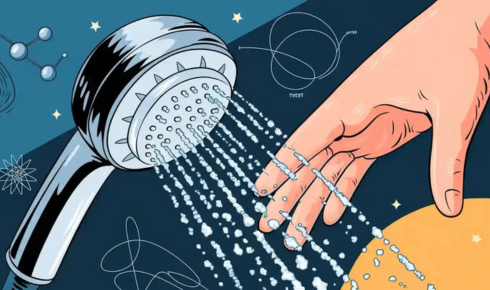


There’s a moment—usually small and unremarkable—when you realize your water isn’t quite working the way it should. It might be the stubborn film on your shower door that keeps coming back no matter how much you scrub. Or the way your skin feels tight after a hot shower, like you never fully rinsed off the soap. Sometimes it’s the dishwasher, leaving cloudy spots on glasses that were supposed to sparkle.
Hard water has a way of creeping into your daily routine without announcing itself. It doesn’t break anything overnight. It just makes things slightly harder. Slightly less comfortable. Slightly more frustrating.
And then one day, you start looking into solutions.
The Subtle Science of Hard Water
Hard water contains higher levels of dissolved minerals—primarily calcium and magnesium. These minerals are picked up naturally as groundwater moves through soil and rock. They’re not inherently harmful, but they change how water behaves.
Soap, for example, reacts with hardness minerals instead of dissolving properly. That reaction forms residue. The result? That familiar chalky film we call soap scum.
When homeowners install water softeners, one of the first things they notice is reduced soap scum. Showers are easier to clean. Sinks don’t develop that cloudy layer as quickly. Even glass shower doors stay clearer for longer stretches of time.
It sounds minor, but anyone who’s spent a Saturday morning scrubbing tile grout knows it’s not.
Showers That Feel… Different
If you’ve never experienced softened water before, it’s hard to describe the difference. The water doesn’t suddenly feel magical. It just feels smoother.
Soap lathers more easily. Shampoo rinses out completely. Your skin doesn’t feel stripped or dry afterward. Many homeowners describe the sensation as softer showers, where the water seems to glide rather than cling.
At first, the change can be almost surprising. Some people even think they haven’t rinsed fully because there’s no tightness or residue left behind. But that’s actually the point—softened water allows soap to do its job without interference from minerals.
Over time, these small comfort shifts become the new normal. You stop thinking about them. You just enjoy the way things feel.
It’s Not Just About Comfort
Hard water doesn’t limit its impact to your bathroom. It quietly works its way into appliances and plumbing systems.
Water heaters are especially vulnerable. When heated, hardness minerals precipitate out and form scale on heating elements and tank walls. That buildup acts like insulation, forcing the heater to consume more energy to achieve the same result.
Dishwashers, washing machines, and coffee makers can all suffer similar issues. Scale narrows pipes and coats internal components, reducing efficiency over time.
Installing a softening system often leads to longer lasting appliances, simply because mineral buildup is kept under control. Fewer repairs. Fewer premature replacements. Less energy wasted.
It’s not dramatic. You won’t necessarily see a difference overnight. But over five or ten years, the impact becomes noticeable—both mechanically and financially.
Everyday Efficiency Adds Up
There’s another benefit that rarely gets highlighted: detergent efficiency.
Hard water reduces the effectiveness of cleaning products. You may find yourself adding extra laundry detergent or dish soap just to achieve the same results. With softened water, soaps dissolve and perform more effectively.
That means you can use less. And while that might not sound revolutionary, over time it reduces product consumption and waste. It’s a subtle shift toward efficiency that aligns nicely with sustainability goals.
And honestly, it just feels good when something works the way it’s supposed to.
Before Making the Switch
If you’re considering a water softener, start with a water hardness test. Hardness levels are typically measured in grains per gallon (GPG), and knowing your number helps determine the right system size.
Not every home requires the same capacity. A small household with moderate hardness needs a different setup than a larger family dealing with extremely hard water.
Professional guidance can help ensure proper sizing and installation. An undersized unit might regenerate too frequently. An oversized one could be unnecessarily expensive. Precision matters.
Maintenance is also straightforward but important. Most systems require periodic salt refills and occasional inspection. Modern units are more efficient and intelligent than older models, often regenerating based on actual usage rather than a fixed schedule.
The Long View
Water is one of those foundational elements of home life. It flows through every faucet, every appliance, every daily ritual. When it’s balanced and gentle, you barely notice it.
When it’s not, the friction builds.
Upgrading your water system isn’t about indulgence. It’s about smoothing out the edges of everyday living. It’s about fewer cleaning frustrations, more comfortable showers, and the quiet confidence that your appliances aren’t slowly accumulating scale behind the scenes.
In a world full of flashy upgrades and cosmetic renovations, improving your water supply feels refreshingly practical. It doesn’t change the look of your home. It changes how it feels.
And sometimes, that’s the most meaningful improvement of all.