


Water. It’s one of those things we tend to take for granted—until we can’t. Whether you’re out on a rural property, running a family farm, or just living beyond city limits, you’ve probably had more than a few moments of doubt about what’s really flowing through your pipes. Is it clean? Safe? Good for the livestock, the crops, your kids?
If you’re living off the grid—or close to it—then you already know this much: water is everything. It fuels your work, nourishes your land, and keeps your household ticking. But unlike city dwellers who rely on municipal filtration systems, folks in rural communities and agricultural zones often face a whole different ballgame. That’s where specialized water treatment services come into play.
Not All Water Is Created Equal
Water coming from a well, river, or private reservoir might look clear, even taste fine, but it could still carry unwanted minerals, bacteria, sediment, or worse. Over time, these unseen contaminants can damage your plumbing, harm livestock, or even make your family sick.
And sure, boiling water might cut it for a pot of tea—but it’s not going to save your washing machine from iron stains or prevent limescale from choking your irrigation lines. That’s why treating water at the source isn’t a luxury; it’s a necessity. Especially when your lifestyle depends on it.
Life in the Country Comes With Unique Challenges
City systems often monitor water quality down to the microgram. But rural water systems? They’re typically self-managed, loosely monitored, and wildly variable. One rainstorm, one dry season, one old pipe, and suddenly you’re dealing with murky or even unsafe water.
Plus, there’s distance. Everything in the country is spaced out—including the people you’d normally call for help. If you’ve got an issue, it’s not always a quick fix. That’s why prevention and long-term planning matter. A smart water system saves not just money, but time—and maybe a few late-night panics.
The Farm Factor
Farming adds another layer of complexity. Animals need clean water, and not just for drinking. Contaminated water can cause illness or stunted growth. Crops require water that won’t leave salt residues or strange minerals that mess with soil pH. And then there’s equipment—modern irrigation systems, milking machines, sprayers—all of them can clog or corrode if the water isn’t right.
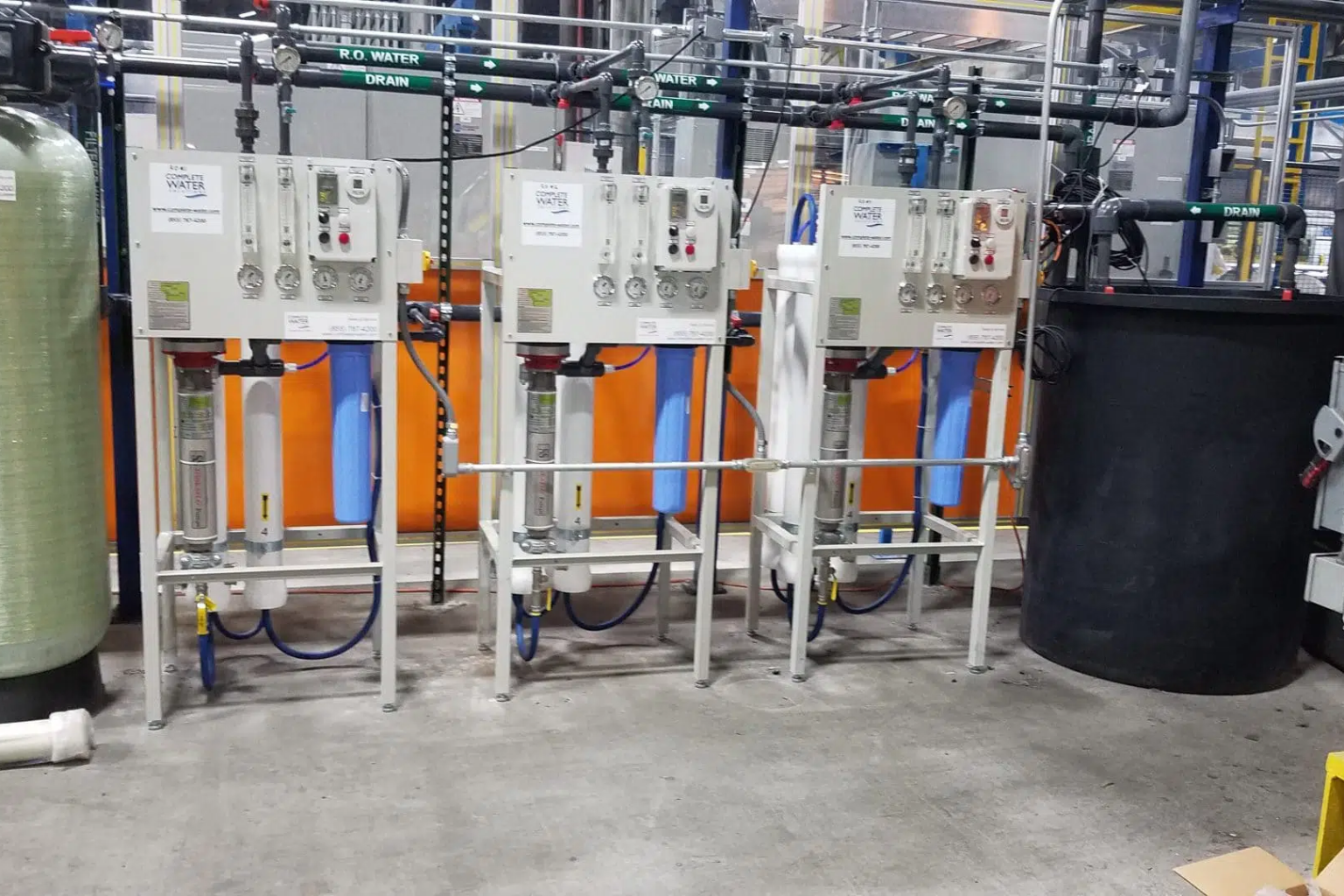
That’s where dedicated farm water systems step in. These aren’t one-size-fits-all solutions. They’re tailored setups designed to meet the demands of daily agricultural operations. Some involve large-scale reverse osmosis, UV sterilization, or multi-stage filtration. Others rely on sediment filters or chlorination systems, depending on what’s in your source water and how you plan to use it.
Common Problems and Real Fixes
Let’s talk about some of the usual suspects that show up in rural water:
- Iron and manganese: These minerals can stain everything they touch—sinks, laundry, teeth.
- Hard water: Packed with calcium and magnesium, it ruins appliances and makes soap less effective.
- Sulfur: That classic “rotten egg” smell? That’s hydrogen sulfide gas.
- Nitrates: Often from fertilizer runoff—dangerous especially for infants and pregnant women.
- Bacteria and pathogens: Not always visible, but definitely not welcome.
A proper system tackles these threats head-on. That might mean adding a chlorinator to kill bacteria or using activated carbon filters to clear up odors and taste issues. It’s not about throwing in the fanciest tech—it’s about finding what works for your water.
DIY vs Professional Help
We get it. Rural folks are often the DIY kings and queens of their domain. But when it comes to water systems, a quick fix or guesswork can lead to big issues down the line. Misapplied treatments could damage filters, fail to remove key contaminants, or even make water worse.
That’s where professional water consultants earn their keep. They’ll run tests, analyze results, and build systems that make sense for your needs—not just a cookie-cutter setup from a big box store. They understand how to balance pressure, flow rate, seasonal changes, and usage demands.
Don’t think of it as “outsourcing.” Think of it as partnering with someone who speaks fluent H2O.
Future-Proofing Your Water Game
As rural populations grow and climate unpredictability increases, clean water is going to get more complicated. Groundwater supplies can fluctuate. Droughts and floods shift contamination levels. And more and more regulations will start trickling down to areas once considered off-grid.
Investing in a solid system now means fewer headaches later. And if you ever plan to sell your property? A well-maintained water treatment setup adds serious value. It’s like central air—buyers notice, and they’re willing to pay for peace of mind.
It’s About More Than Filters
Good water isn’t just about what’s not in it. It’s about what it enables. Clean water makes life smoother. Fewer appliance repairs. Healthier skin. Better coffee. Safer milk from your goats or cows. Happier tomato plants. It’s the little things—and they all start with that quiet hum of your filtration system doing its job.
And honestly? There’s something reassuring about knowing you’ve taken control of something so vital. You’re not just reacting to problems. You’re ahead of them.
Wrapping It Up: Water Is Work, But It’s Worth It
Living rural comes with its own rhythm—more space, more freedom, more connection to nature. But it also means taking responsibility for essentials most folks don’t think twice about. Water isn’t just a utility here. It’s life. And treating it with the care it deserves isn’t some over-the-top luxury—it’s smart, sustainable living.
Whether you’re raising kids, cattle, or crops, clean water keeps everything running. And with the right water treatment services, you’re not just getting better water—you’re building a better foundation for everything you do.