


There’s something beautifully simple about turning on the tap and trusting what’s coming out of it. We fill our glasses, rinse our vegetables, bathe our kids—all without thinking twice. But every now and then, that trust starts to waver. Maybe it’s the faint chlorine scent that lingers after a shower, or the odd metallic taste in your morning coffee. Or maybe it’s something deeper, a growing awareness that what we can’t see might matter just as much as what we can.
Especially here on Long Island, where the water we depend on comes from aquifers right beneath our feet.
What Makes Long Island’s Water So… Complicated?
Let’s start with the basics. Long Island’s drinking water isn’t piped in from somewhere else. It’s sourced entirely from groundwater—specifically, a network of aquifers deep below the surface. That’s a rare setup compared to much of the country, and in many ways, it sounds ideal. Local, natural, self-sustaining.
But there’s a catch. Everything on the surface—lawn chemicals, road salt, septic system runoff, industrial waste—can eventually seep downward. Over time, this contamination accumulates, making Long Island clean water less of a guarantee and more of a concern.
The water may look clear, but looks can be deceiving. Contaminants like nitrates, volatile organic compounds (VOCs), and PFAS (the so-called “forever chemicals”) are invisible to the eye and tasteless to the tongue—but they’re showing up in more and more water tests across the Island.
Enter LICWS: A Name You’ll Want to Remember
If you’ve ever found yourself Googling water test kits, worried about discoloration in your toilet bowl, or wondering if you should be buying bottled water in bulk—you’re not alone. And you’re definitely not the first to land on LICWS (Long Island Clean Water Service) as a possible solution.
What sets LICWS apart isn’t just its understanding of filtration systems. It’s its understanding of Long Island. These folks don’t try to sell you a cookie-cutter water softener or a generic system. They look at your location, your water report, and recommend what actually makes sense for your home.
Whether you’re in Montauk, Massapequa, or somewhere in between, they’ve likely dealt with the same exact well or municipal supply system—and probably solved problems for three houses on your block already.
Filtration Isn’t Just About Taste—It’s About Protection
Let’s be honest: a lot of people start thinking about water filtration after their shower starts smelling like a public pool or their skin starts acting up. But the benefits go way beyond better-smelling water or smoother skin (though those are both very real).
Good Long Island water filtration does something even more important—it helps protect your long-term health. Proper systems can reduce or eliminate chlorine byproducts, lead, bacteria, radon, and more. And when you’re using that water for everything from brushing your teeth to boiling pasta, those little exposures add up.
Filtration also helps extend the life of your appliances. That subtle limescale buildup in your kettle? It’s happening inside your washing machine, dishwasher, and water heater too. Filtered water is gentler—on your clothes, your pipes, and your budget.
The Real-Life Impact: One Family’s Story
A couple in Suffolk County installed a whole-house filtration system after months of itchy skin and stubborn hair issues. They didn’t expect miracles—but within two weeks, they said showers felt completely different. Their laundry smelled cleaner. Even their dog seemed less itchy.
Then there was the surprise bonus: their glassware stopped fogging up in the dishwasher, and they went from buying three cases of bottled water a month to none. “It just became one less thing to think about,” the husband told me. “And honestly, these days, having one less thing to worry about is kind of priceless.”
Choosing the Right System Starts with the Right Test
Before you dive into products, do the unglamorous thing: test your water. Whether you’re connected to a public supply or pulling from a private well, the results will give you clarity—literally and figuratively.
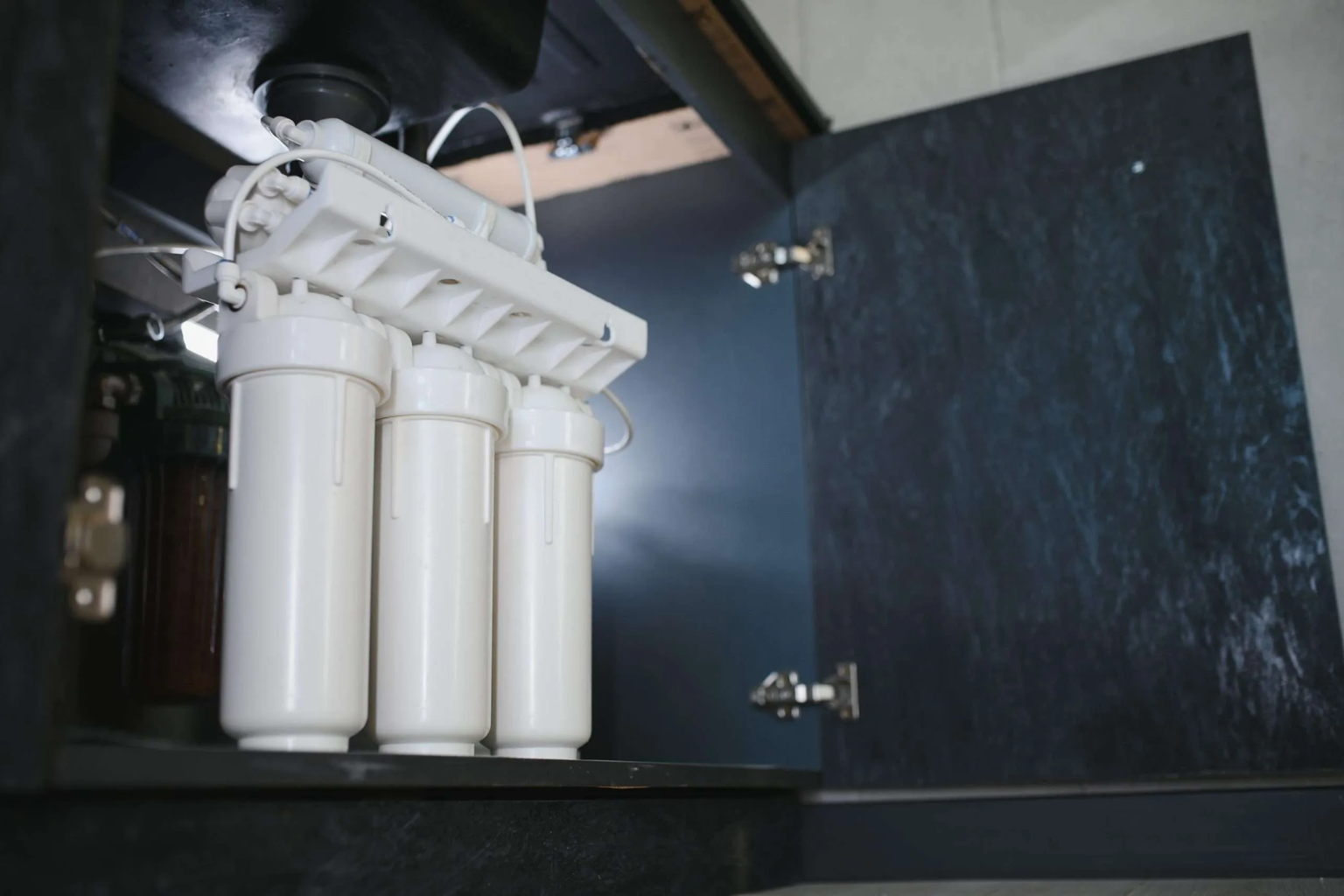
From there, you can make smart choices. Carbon filters are great for chlorine and odor. Reverse osmosis handles a wide range of contaminants. UV filters deal with bacteria. And whole-house systems give you coverage for everything from your kitchen sink to your backyard hose.
Your system doesn’t have to be fancy. It just has to be right.
So… Is It Worth It?
That depends. Do you value peace of mind? Cleaner skin? Healthier water? Longer-lasting appliances? If yes, then absolutely.
A good whole-house water system can cost anywhere from $1,500 to $3,500 installed, depending on the type and complexity. But once it’s in, you’re not just buying better water—you’re buying freedom. Freedom from bottled water. From worrying about what your kids are bathing in. From questioning every cup of tea you make.
Plus, the right company (like LICWS) will stick around for the long haul—handling maintenance, updates, and questions along the way.
A Small Change, A Big Shift
Water is funny like that. It’s everywhere, all the time, but somehow still invisible in our routines. Until you change it. Then suddenly, every shower feels more refreshing. Every glass tastes a little better. And every day starts with a quiet sense of, “Ah, that’s better.”
That’s what a good filtration system does. Not in some flashy, over-the-top way—but in the quiet, essential way that matters most.
Final Pour
If you’ve read this far, you probably already know that something in your water isn’t quite right. And maybe you’re just looking for a sign that it’s time to do something about it.