


There’s something oddly comforting about a tall glass of cold water, especially on a sweltering afternoon. You take a sip, quench your thirst, and move on. But have you ever stopped to wonder what’s actually in that water?
Most of us don’t. We assume it’s fine—clean enough, safe enough. After all, if something were wrong, we’d know, right?
Well… not always.
The Invisible Dilemma
Water is supposed to be one of the simplest, purest things in our lives. But in many parts of the world—and yes, even in developed neighborhoods—the quality of what flows from our taps isn’t always what it should be. From aging municipal infrastructure to localized contamination, the stuff we trust to hydrate our families might not be living up to its promise.
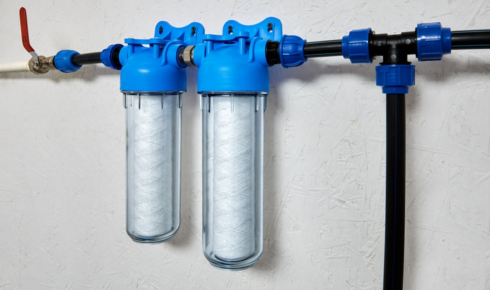
That’s where potable water systems step in. These systems aren’t just for rural wells or remote cabins. Increasingly, households in cities and suburbs are turning to them to ensure the water they drink, cook with, and bathe in meets a higher standard than what the public system guarantees.
And honestly? That’s not paranoia. That’s just smart living.
It’s Not Just About Taste
Let’s get something straight—bad water doesn’t always taste bad. Sure, sometimes there’s a funny smell or metallic tang, but more often than not, you can’t taste or see what’s wrong.
It could be excessive chlorine. Lead. Pesticide residues. Or even microscopic organisms you don’t want to Google before bedtime.
With the right filtration or purification setup, you don’t have to gamble. You get transparency, control, and the quiet confidence of knowing your water’s been vetted, not just assumed safe because it passed through a treatment plant miles away.
It’s like cooking at home instead of ordering takeout—you know exactly what’s going in.
Family-First, Always
When you’ve got kids running around or elderly parents under your roof, clean water isn’t a luxury—it’s a necessity. Babies, toddlers, and seniors are especially vulnerable to waterborne contaminants. Their bodies are still developing or slowing down, making it harder to process the stuff the rest of us might tolerate.
That’s why family water solutions are more than just eco-conscious gadgets or wellness upgrades—they’re peace-of-mind purchases. Whether it’s a whole-house filtration system or a kitchen tap attachment, you’re not just investing in cleaner water, you’re investing in your family’s health.
And frankly, isn’t that the most worthwhile investment of all?
The DIY Research Rabbit Hole
Here’s the thing, though. Once you start researching water treatment options, you’ll find yourself in a sea of acronyms, brands, and conflicting advice. RO systems. UV disinfection. Activated carbon. Ion exchange. Pitchers vs. under-sink systems vs. whole-house installations.
It’s overwhelming. But it doesn’t have to be.
The key is understanding your specific water situation. Some people need fluoride removal. Others need to soften hard water. And some are dealing with contaminants like arsenic or nitrates due to nearby agriculture or industrial zones.
There’s no one-size-fits-all fix. But thankfully, modern home water treatment options are as varied as the needs they address. The trick is choosing wisely, not just quickly.
A Real-Life Pause
I remember visiting a friend’s place a few summers ago. She casually filled a glass from her kitchen faucet and said, “Our filter broke last week but the city water’s fine, I guess?”
She laughed, but her toddler sipped the same water minutes later. It wasn’t dramatic or tragic, but it stuck with me. We take so many small risks without realizing it. Clean water shouldn’t be one of them.
What’s Actually Out There?
Let’s break it down, in real-world terms:
- Activated Carbon Filters – Great for improving taste and removing chlorine and basic contaminants.
- Reverse Osmosis Systems – These are heavy hitters, stripping away everything from lead to microplastics, but they also waste some water in the process.
- UV Disinfection Units – Ideal for biological threats—bacteria, viruses, pathogens. Especially important in areas with questionable well water.
- Water Softeners – Perfect for homes plagued with mineral-heavy hard water that ruins appliances and leaves soap scum behind.
These are just a few of the many home water treatment options available. The point is, you’ve got choices. And more than ever, the power to make those choices is in your hands.
The Cost of Doing Nothing
Some people hesitate to invest in better water systems because of the upfront cost. Fair enough. But what’s the long-term cost of not doing it?
Damaged plumbing. Shortened lifespan of appliances. Skin issues. Compromised immune systems. Increased plastic bottle purchases that add up fast—and wreak havoc on the planet.
We budget for streaming services, fancy phones, even expensive smoothies. Why not budget for something so fundamental?
Your Next Move? Start Small
No need to jump into a $5,000 whole-house water revamp overnight.
Start with a simple test kit. Learn what’s in your water. Then maybe add a filter pitcher or under-sink system. Upgrade as you go.
Every step matters. Every drop counts.
And once you start drinking cleaner, better-tasting water? You’ll wonder why you waited so long.
Final Thoughts: Clarity Is Empowerment
Water is more than H2O. It’s the foundation of life, of health, of comfort. We cook with it, clean with it, bathe in it, and trust it every single day.
So maybe it’s time we started treating it with the respect it deserves.
Whether you’re building a new home, raising a family, or just trying to live a little smarter—investing in clean water is one of the simplest, most meaningful ways to take care of the people (and things) you love most.
Better water isn’t a fad. It’s a basic right. And now, thankfully, it’s more accessible than ever.
You just have to turn the tap in the right direction.