
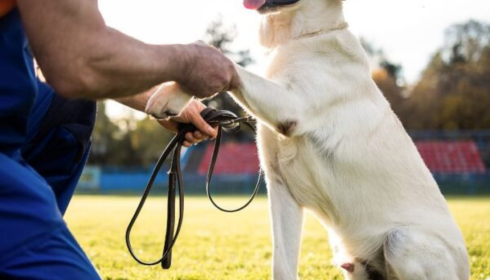


A well-trained dog transforms homes, strengthens bonds, and promotes safety for everyone around. Dogs that respond reliably to commands feel confident, secure, and happier, while owners enjoy more freedom and less stress. Dog training specialists play a crucial role in achieving this balance by offering professional guidance tailored to the dog’s temperament, breed, and behavioral needs. Unlike generic advice from online sources or casual methods, training provided by experts combines practical experience with the science of canine behavior to create lasting results.
The value of professional guidance is especially evident when addressing common challenges such as leash pulling, excessive barking, anxiety, or poor socialization. Through structured training programs, dogs learn proper behavior while owners gain the skills to maintain and reinforce these habits long-term. For anyone serious about developing a well-behaved dog, working with a dog training specialist is often the most effective and reliable approach.
Why Dog Training Specialists Make a Difference
Many dog owners experience frustration when traditional methods fail to resolve behavioral issues. Common problems include:
- Constant jumping on guests
- Inconsistent recall
- Aggression toward other dogs or people
- Separation anxiety
- Chewing furniture or personal items
Dog training specialists address these challenges by analyzing the root cause of behaviors rather than just the symptoms. They provide structured, positive reinforcement techniques that encourage learning while promoting a healthy bond between dog and owner.
Key Advantages of Expert Training
- Behavioral Insights: Specialists understand canine psychology, body language, and learning patterns.
- Customized Programs: Each dog receives a training plan tailored to its breed, age, and temperament.
- Faster Progress: Positive reinforcement methods and structured exercises accelerate learning.
- Long-Term Results: Techniques focus on sustainable habits, not temporary compliance.
- Enhanced Safety: Properly trained dogs are less likely to create dangerous situations at home or in public.
Expert trainers also guide owners in recognizing subtle signals that indicate stress, discomfort, or confusion, helping to prevent escalation before it becomes a behavioral problem. This proactive approach distinguishes professional training from casual methods.
Core Principles Used by Dog Training Specialists
Professional trainers rely on scientifically backed principles to ensure effective results. Understanding these principles can help dog owners integrate training into daily life:
- Consistency: Repeated, predictable cues help dogs understand expectations.
- Positive Reinforcement: Rewarding desirable behavior encourages repetition and strengthens learning.
- Timing: Immediate feedback is essential for dogs to associate actions with consequences.
- Incremental Challenges: Gradually increasing difficulty ensures dogs learn without becoming overwhelmed.
- Clear Communication: Dogs respond to precise, consistent commands more effectively than vague instructions.
These principles form the foundation of all successful training programs and are applied across various training goals from basic obedience to advanced behavior modification.
Practical Training Techniques for Everyday Life
Even small, consistent actions can create dramatic improvements in behavior. Dog training specialists often recommend a combination of structured lessons and daily reinforcement. Some effective techniques include:
- Start with Basic Commands: Begin with sit, stay, come, and down. These commands establish control and safety.
- Use Reward-Based Motivation: Treats, praise, or playtime reinforce positive behaviors. Avoid punishment-based techniques, which can lead to fear and anxiety.
- Short, Frequent Training Sessions: Dogs have limited attention spans; 10–15 minute sessions multiple times per day yield the best results.
- Gradually Introduce Distractions: Once commands are mastered in a quiet environment, practice in more stimulating settings to ensure reliability.
- Structured Exercise and Mental Stimulation: Physical activity and problem-solving games reduce boredom, which often causes behavioral issues.
- Clear Boundaries: Establish rules consistently so dogs understand what is allowed and expected.
Applying these techniques consistently creates an environment where dogs feel secure and understand expectations, which reduces stress for both dog and owner.
Addressing Common Behavioral Issues
Professional dog training specialists frequently work with dogs on issues that are too complex for casual owners to handle alone. Understanding the approach to these common problems highlights the expertise required:
Leash Pulling
Pulling on the leash is not just inconvenient it can be dangerous. Specialists teach dogs to walk calmly by rewarding loose-leash behavior and gradually desensitizing dogs to stimuli that trigger pulling.
Excessive Barking
Barking often signals anxiety, boredom, or attention-seeking behavior. Trainers identify triggers and redirect attention while rewarding quiet, calm behavior.
Aggression
Aggression toward other dogs or humans requires careful, structured intervention. Trainers assess body language, manage environments to prevent escalation, and gradually expose dogs to triggers in a controlled manner.
Separation Anxiety
Dogs suffering from separation anxiety may exhibit destructive behaviors or excessive vocalization. Specialists employ desensitization techniques and establish routines that increase confidence when alone.
Chewing or Destructive Behavior
Providing appropriate chew toys, engaging in mental stimulation, and redirecting undesirable behaviors helps dogs develop healthier habits.
Training for Advanced Skills and Specialized Needs
Beyond basic obedience, dog training specialists often help dogs develop advanced skills:
- Off-Leash Reliability: Ensuring dogs respond to commands without a leash for safety and freedom.
- Therapy or Assistance Work: Training dogs to assist people with disabilities or provide emotional support.
- Behavioral Rehabilitation: Modifying ingrained problem behaviors in adult dogs through structured interventions.
- Agility and Sports Training: Enhancing physical fitness, focus, and discipline through canine sports.
Specialized training programs emphasize both skill development and mental well-being, providing dogs with structure and purpose that prevents behavioral issues from arising.
Building a Stronger Bond Through Training
Training is not just about obedience it strengthens the relationship between dog and owner. Well-trained dogs are more confident, relaxed, and responsive. Structured interactions, clear communication, and reward-based methods build mutual trust.
A dog that understands expectations and receives consistent guidance experiences less stress and enjoys a higher quality of life. Owners also experience reduced frustration, increased safety, and a more harmonious home environment. Dog training specialists guide these processes, ensuring training is effective, humane, and tailored to the individual dog.
How to Choose the Right Dog Training Specialist
Selecting a qualified professional is crucial for successful outcomes. Key factors to consider include:
- Certifications and Credentials: Look for trainers accredited by recognized organizations, such as the International Association of Canine Professionals (IACP) or Certification Council for Professional Dog Trainers (CCPDT).
- Experience with Specific Breeds: Different breeds have unique behavioral traits and training needs.
- Training Philosophy: Positive reinforcement methods are widely recommended for sustainable results and mental well-being.
- References and Testimonials: Check reviews and feedback from previous clients to evaluate effectiveness.
- Hands-On Approach: Practical, in-person guidance ensures that owners learn to communicate effectively with their dog.
Choosing the right specialist can prevent frustration, ensure ethical treatment, and accelerate learning for both dog and owner.
Creating Long-Term Success
Consistency beyond formal training sessions is vital for lasting results. Even after completing a structured program, owners should:
- Reinforce commands daily
- Maintain predictable routines
- Reward positive behavior consistently
- Monitor stress and prevent negative triggers
Ongoing engagement ensures dogs retain learned behaviors and continue developing skills over time. Professional guidance, combined with daily practice, ensures that training becomes a lifelong foundation rather than a temporary fix.
Conclusion
Effective dog training transforms homes, strengthens bonds, and promotes safety and confidence for both dogs and owners. Dog training specialists provide the knowledge, experience, and structured methods needed to tackle behavioral challenges, reinforce good habits, and ensure long-term success. From basic obedience to specialized behavior correction, professional guidance equips dogs and owners with tools to thrive together. By investing in expert training, dog owners create happier, calmer, and more harmonious lives for their pets while fostering relationships built on trust, communication, and mutual respect. Structured, science-based methods offered by Rob’s Dog Training ensure that every dog reaches its full potential while enhancing the overall well-being of the family unit.