
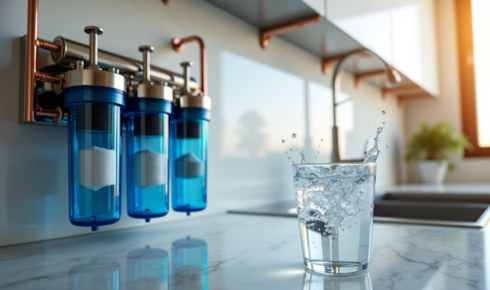


There’s nothing quite like pouring yourself a glass of cold water on a hot day—except when that water smells funky or tastes like metal. Yikes. If you’ve ever wrinkled your nose at your tap water or googled whether cloudy water is safe to drink (we’ve all been there), you’re not alone. In today’s world, ensuring access to clean, healthy drinking water at home isn’t just a luxury—it’s kind of essential. But with a sea of information, products, and overhyped promises, how do you find the right solution without getting overwhelmed?
Let’s break it down the human way. No jargon, no sales pitch—just a chill chat about what matters.
Why Bother With Water Filtration at All?
Okay, quick reality check: even if your water is municipally treated, it can still carry unwelcome extras. Chlorine, fluoride, lead from old pipes, pesticides, microplastics… the list goes on. It’s not about paranoia—it’s about peace of mind.
Some folks grab bottled water, but let’s be honest—those plastic bottles pile up faster than we realize. That’s why more and more people are turning to home drinking water solutions that let them filter at the source. It’s not just about taste—it’s about long-term health, environmental impact, and, frankly, convenience. No more late-night dashes to the store when you run out of bottles.
Understanding What You’re Filtering Out
Before splurging on a fancy system with blue lights and mysterious buttons, it’s important to know your water. You can get a simple water test kit online, or check out your city’s water quality report. These will help you figure out what you’re dealing with: high chlorine? Weird minerals? Possible bacteria?
Once you know what you’re up against, you can choose a system that actually solves your specific problem—not just what looks cool on a countertop.
The Most Common Filtration Types (And What They Actually Do)
Let’s cut through the noise. Here are the basics:
- Activated Carbon Filters – These are your everyday pitcher filters (hello, Brita) and faucet attachments. Great for improving taste and removing chlorine.
- Reverse Osmosis (RO) – More powerful. These systems push water through a semi-permeable membrane to trap contaminants. They’re especially useful if you’re dealing with heavy metals, fluoride, or nitrates.
- UV Filters – Excellent for neutralizing bacteria and viruses, especially in areas where microbial contamination might be a concern.
- Whole House Filters – Installed at your main water line. These are great if you want all your water—from showers to kitchen taps—to be filtered.
Not all systems are created equal, though. Some do more, others just look good but don’t pull their weight.
Let’s Talk Eco – It’s Not Just About Filters, It’s About Mindset
We live in a world trying (sometimes awkwardly) to be greener. Your water choices can be part of that. Ditching bottled water is a good start, but even within filtration systems, there are ecofriendly filtration options that use biodegradable filter media, recyclable cartridges, and low-energy UV systems.
There are even companies now offering refillable filter packs, reducing waste dramatically. So, if you’re already recycling and composting, why not extend that love to your water system too?
Sizing It Right: Don’t Overkill, Don’t Undershoot
You don’t need a commercial-grade filtration system for your one-bedroom apartment—and you don’t want a tiny pitcher filter in a house of six. It sounds obvious, but many people ignore filter sizing and setup. That’s where things either become really smooth… or a total mess.
Think of it like picking a fridge. Too small, and you’re constantly refilling or replacing. Too big, and you’re wasting energy and money. The same logic applies here. Know your usage, understand your plumbing (or call a plumber friend if you’re feeling in over your head), and go for a size that makes sense for your lifestyle.
Bonus: some systems even come with expansion options, so you can start small and scale up later.
Maintenance Isn’t a Dirty Word (Even if It Feels Like One)
Here’s a little secret most filter brands won’t shout about: no matter how fancy your system is, it needs regular care. Filters clog, cartridges expire, and forgetting to change them is like wearing the same socks for six months. Gross and counterproductive.
Set a reminder. Subscribe to auto-refills. Write it on your fridge in permanent marker if you must. Just don’t forget. A neglected filter can sometimes worsen your water quality.
A Few Real-Life Scenarios (Because Life’s Not Always a Spreadsheet)
- Apartment dweller on a budget? A solid faucet-mounted filter might be your new best friend.
- Living near industrial zones? Get your water tested for heavy metals and consider RO with carbon pre-filtration.
- Off-grid tiny home? Gravity-based ceramic filters or solar-powered UV might be perfect.
- Family with young kids? Prioritize fluoride and nitrate removal to support safe development.
So, What Should You Actually Do?
Start small: test your water, understand your priorities (taste? safety? eco-consciousness?), and pick a system that fits your space and lifestyle. You don’t need to spend thousands or renovate your kitchen. You just need to make an informed, balanced choice—one that’ll keep you hydrated, healthy, and headache-free.
And remember, no system is one-and-done forever. Reassess your needs every couple of years, especially if you move or your family grows.
Final Thoughts (Water You Waiting For?)
We tend to take water for granted until something feels “off.” But a little awareness goes a long way. Investing in your drinking water setup is one of those adulting moves that pays dividends in wellness, peace of mind, and even flavor (yes, filtered water tastes better).
So go ahead—make that upgrade. Sip consciously. Live responsibly. And let every drop count.