


There’s this little café I go to—nothing fancy, tucked into a side street, no neon sign to brag about. But every time I step in, it feels… right. Not because of the coffee (though it’s decent), but because of the way the light moves through the space. How the mirror on the back wall catches the afternoon sun just right. How the soft gleam of the tables adds a kind of shimmer to the air. It’s subtle, quiet, and kind of magical.
That’s the power of light — and more importantly, how you play with it. It’s not just a matter of installing brighter bulbs or throwing in an extra lamp. It’s about knowing how light works with surfaces, colors, and energy. And when you get it right? The whole room feels better. You feel better.
Let’s unpack this — slowly, casually — like two friends chatting while rearranging furniture on a lazy Sunday.
The Quiet Influence of Light
Lighting doesn’t shout. It whispers. It nudges your emotions, guides your movements, and shapes your impressions before you’ve even realized it. You walk into a warmly lit living room, and your shoulders drop. You feel welcomed. Step into a cold, fluorescent hallway? Instant tension.
Most folks focus on furniture, wall color, décor — all important, sure. But lighting? That’s the invisible hand making everything else work. And when it’s paired with the right materials and angles? You’ve got magic.
Mirrors, Gloss, and a Bit of Shine
Let’s talk about reflective surfaces for a moment.
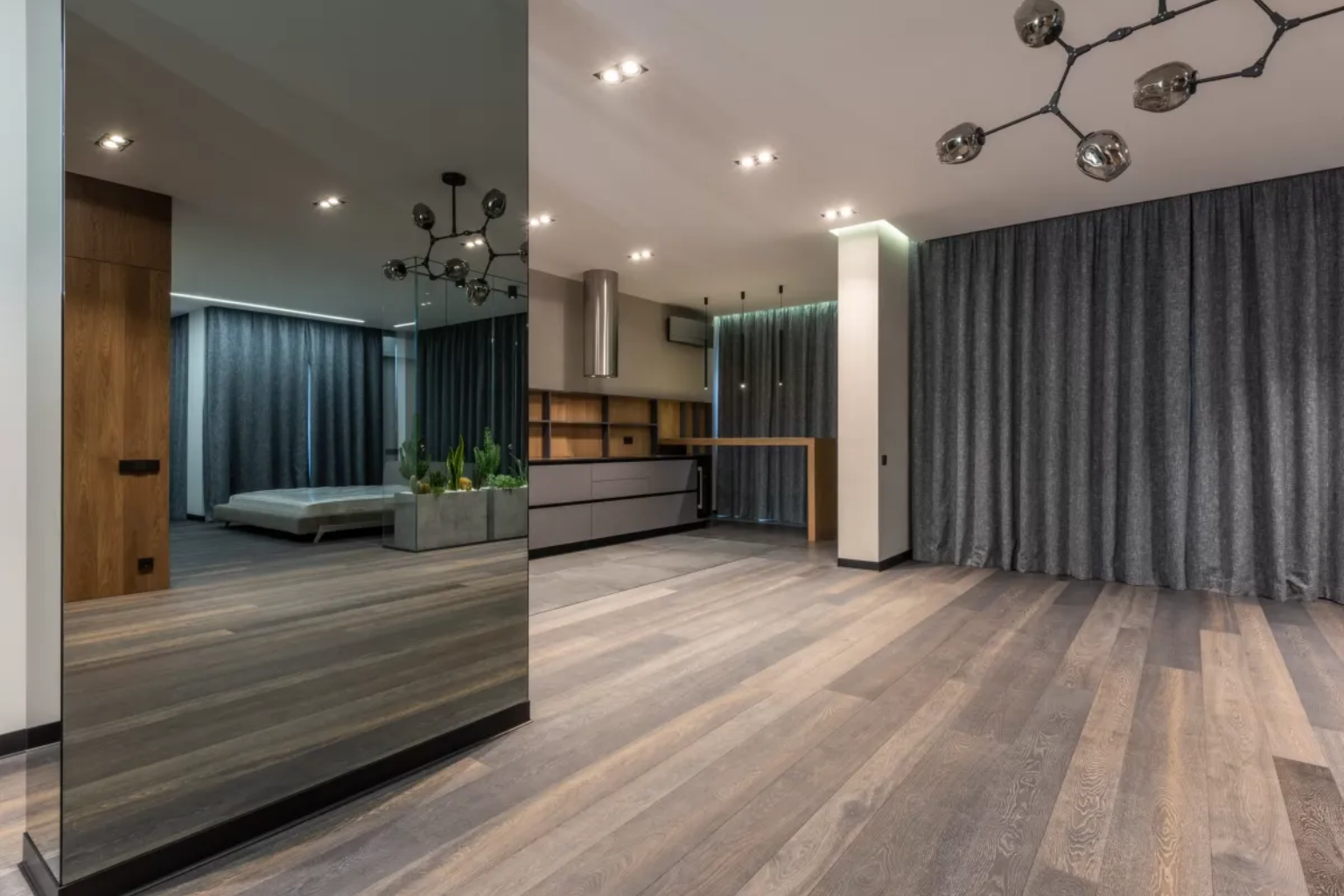
You don’t need your home to look like a spaceship, but a little shine goes a long way. Mirrors bounce light deeper into a space. Glossy tiles give walls a soft, luminous glow. Even a well-polished wooden floor can brighten a room just by catching the sun for an hour a day.
It’s not about being flashy — it’s about being smart. Using what you’ve already got and doubling its impact. That’s the beauty of reflections. They expand, they illuminate, they dance. You want a room to feel bigger, brighter, more awake? Add a mirror. Or swap in a reflective coffee table. It’s a trick that doesn’t feel like one.
Light Isn’t Just About Seeing
We often think of lighting in terms of function — “Can I read here?” “Is this bright enough to chop onions?” And sure, those things matter. But light is more than utility. It’s atmosphere. It’s emotion.
That’s where brightness comes in — and no, it’s not just a setting on a bulb.
Brightness is about balance. A room that’s too dim feels moody or unfinished. One that’s too bright? Sterile, uninviting. You want lighting that shifts with your needs — warm and cozy in the evening, clean and clear in the morning. Dimmable options, layered sources, and varied intensities give you that flexibility.
It’s about creating a vibe. And when brightness is tuned just right, the whole room hums.
Natural Light Is Your Best Friend… But Not Always Available
Let’s be real — not everyone lives in a sun-drenched loft with floor-to-ceiling windows. Some of us are working with shaded corners, tiny apartments, or north-facing rooms that barely catch daylight.
That’s okay.
The key is supplementing what you lack with intention. And the smartest way to do that? Going energy efficient.
I’m not just talking about slapping a “green” label on a product. Energy-efficient lighting has evolved. We’re way past cold, bluish LEDs. These days, you can get warm-toned, smart-controlled, long-lasting bulbs that mimic natural sunlight without guzzling electricity.
It’s good for your utility bill. It’s good for the planet. And it gives you a more stable, mood-friendly environment — especially in darker spaces that need extra help feeling alive.
Playing With Placement
Here’s something nobody tells you when you buy that expensive pendant light: it’s all in the placement.
Too high, and the room feels empty. Too low, and you’re ducking every time you pass by. Centered wrong, and suddenly the room feels lopsided — even if everything else is perfect.
The solution? Think of light as furniture. Not just an add-on, but an element of the room’s composition. Angle it where you want attention. Use spotlights to highlight art. Let sconces frame a conversation nook. Tuck a floor lamp behind a plant to give the illusion of depth.
Lighting isn’t just functional — it’s architectural.
Cool Trick: Contrast Over Uniformity
Some people aim for consistent light across every room, thinking it’s the “safe” choice. But honestly? That’s a fast track to flat, forgettable interiors.
Embrace contrast.
Let the kitchen be bright and clean, with under-cabinet lighting for prep. Let the bedroom be soft and moody, with amber tones and hidden light strips. Add a bold fixture in the entryway — not for brightness, but for drama. Vary your approach, and suddenly your home feels layered, dynamic, and deeply lived-in.
Little Touches, Big Impact
You don’t need to gut your space or drop thousands to change how it feels.
Start with bulbs. Go for warm white over cool blue in cozy areas. Try smart bulbs that adjust with the time of day. Swap lamp shades for ones that diffuse more softly.
Use candles. Hang string lights in unexpected places — over a bookshelf, inside a glass jar, around a bathroom mirror.
Throw in metallic accents — brass, chrome, silver — to reflect and soften shadows.
And don’t forget textures. A velvet curtain will interact with light differently than a sheer one. Rough stone soaks it up. Smooth tile bounces it back. It all plays together like an orchestra — and you’re the conductor.
Mood First, Style Second
One last thought: your space should make you feel something. Comforted. Energized. At peace. Inspired.
Don’t just chase trends or match your favorite influencer’s setup. Walk into your room and ask: Does this feel like me?
Lighting helps answer that question more than you realize. It guides how you wake up, how you work, how you wind down. It’s not just a tool — it’s a companion.
So build it with care.
Final Glow
Designing a well-lit home isn’t about perfection. It’s about feeling. It’s about noticing the late afternoon light and smiling. About finding beauty in a flickering candle, or pride in an efficient bulb that glows just right.
Use the tools — reflective surfaces, tuned brightness, smart and energy efficient fixtures — but let your intuition lead.