We tend to take water for granted — until it smells weird, tastes off, or leaves your skin feeling like you bathed in chalk. The truth is, water quality is one of those quietly essential parts of daily life that shapes everything from our morning coffee to our long-term health. And while most people shrug off minor issues, the smart ones? They dig a little deeper.
Having access to clean, safe, good-tasting water isn’t just about hydration — it’s about peace of mind. It’s about knowing what flows from your tap isn’t going to stain your clothes, corrode your pipes, or mess with your immune system. And making that happen? That’s where filtration, purification, and smart upkeep step in.
Starting With the Basics: What’s in Your Water Anyway?
Before you go buying fancy filters or high-end gadgets, you’ve got to know what you’re up against. Not all water is created equal — and neither are the issues that might be hiding in it. Some folks deal with high chlorine levels, others with hard water minerals like calcium and magnesium, and in some unfortunate areas, there are traces of lead or bacteria.
Related context Why Home Water Quality Matters More Than Most People Realize
Here’s the thing — you don’t have to be a scientist to find out what’s in your water. A simple water testing kit can give you surprising insight into what’s floating around invisibly. Whether you’re on a city supply or well water, testing should be your first move. It’s like checking your blood pressure — you need the numbers before you can fix anything.
How UV Systems Are Quietly Changing the Game
Now, you’ve probably heard of carbon filters and softeners, but there’s another player on the scene that’s gaining traction fast — UV technology. And no, it’s not just something you’d find in a fancy lab.
UV water systems use ultraviolet light to zap away harmful microorganisms, including bacteria, viruses, and protozoa. It’s a chemical-free method that’s especially effective for rural homes, cottages, and anyone relying on well water. Think of it like a sunbeam with a mission: clean, sterilize, and protect — all without adding anything to your water.
Related context Safe Sips and Peace of Mind: Why Every Home Deserves Better Water
They’re sleek, relatively low-maintenance, and they don’t change the taste or odor of the water. Honestly, once people install them, they often wonder why they didn’t do it sooner.
Maintenance Isn’t Glamorous — But It’s Non-Negotiable
Here’s where most people trip up: they set up their water filtration system and then forget it exists. But just like any other home appliance, it needs attention. That crystal-clear stream coming out of your faucet? It only stays that way if you’re doing your part.
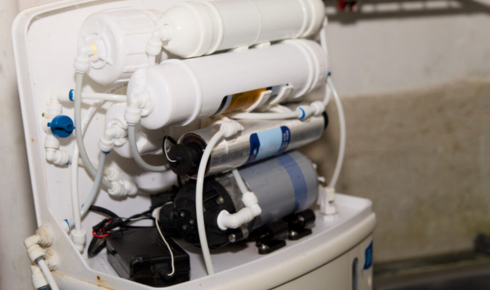
One of the simplest but most crucial tasks? The filter change. Whether you’re using a reverse osmosis unit, a sediment pre-filter, or a basic under-sink setup, those filters get clogged with gunk over time. And when they do, your water quality doesn’t just dip — it dives.
Related context Your Home Deserves Better: Why Understanding Your Water Matters More Than Ever
The signs are subtle at first: water flow slows down, taste gets funky, or your appliances start to scale up. Don’t wait for it to become a headache. Mark your calendar. Set a reminder. Tie a ribbon around your filter housing if you have to — just don’t skip the change.
It’s Not Just About Drinking Water
Most folks think water filtration is all about that one glass of water at dinner. But really? It’s about the whole house experience. Have you ever noticed your shower leaves your hair dry and brittle? Or maybe your dishes come out of the dishwasher looking cloudy and streaky?
That’s all water-related.
Related context Why Your Water Filtration System Might Be Underperforming (and What You Can Do About It)
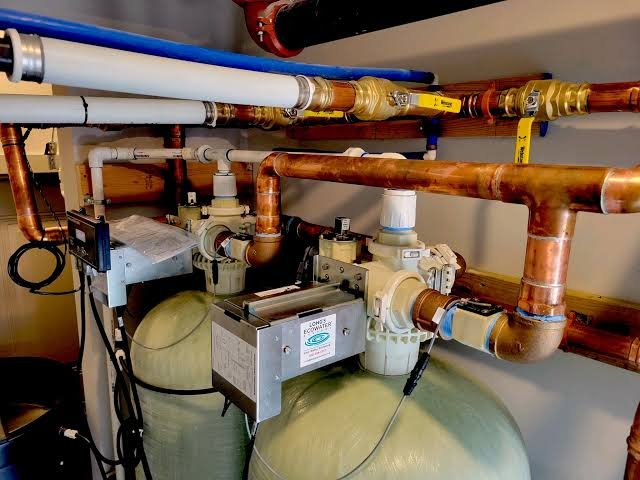
Hard water, in particular, can wreak havoc on everything it touches. It clogs pipes, shortens the life of your water heater, and even messes with your laundry. A well-rounded system — possibly combining UV, carbon, and softening technologies — can make life noticeably smoother (and cheaper in the long run).
Why People Wait Too Long to Make a Change
There’s this funny thing about home maintenance — most people wait until something breaks. With water, though, waiting could mean months or years of low-grade exposure to things you can’t see. And sometimes, the effects aren’t reversible.
The hesitation usually boils down to one of two things: cost or confusion. People either assume it’s going to be too expensive, or they’re overwhelmed by the endless options. Should I get a softener or a purifier? Do I need RO? Will UV kill everything? What’s even in my water?
Related context A Simple Guide to Choosing and Caring for Your Home Water Treatment System
Here’s the honest answer: Start small. Test your water. Talk to someone who understands filtration systems (not just a hardware store cashier). You don’t have to drop thousands of dollars out of the gate — but doing nothing? That could cost more over time.
Bringing It All Together
Clean water is one of the few things in life that everyone deserves — but not everyone automatically gets. You shouldn’t have to hope that your tap water is fine. You should know it is. And getting there doesn’t have to be complicated or wildly expensive. It just takes a little curiosity, a little maintenance, and the willingness to treat your water with the same care you give to anything else in your home.