


It’s funny how rarely we think about water until something tastes a little off. A metallic hint in your morning coffee. A faint chlorine smell when you turn on the shower. Or maybe you’ve just moved to a new city and you’re curious why the water feels different on your skin.
Water feels simple. Turn the tap, fill a glass, done. But behind that simplicity is a complex network of sources, treatment facilities, and miles of underground pipes. And once you understand that journey, you start looking at your faucet a little differently.
Let’s start at the beginning.
The Origin Story of Your Tap Water
Most communities rely on a mix of surface water and groundwater. Surface water comes from rivers, lakes, and reservoirs. Groundwater is drawn from aquifers beneath the earth’s surface through wells.
These drinking water sources shape everything that follows. Mountain-fed reservoirs often produce softer water with lower mineral content. Groundwater, on the other hand, can contain naturally occurring minerals like calcium, magnesium, or even iron.
Neither is inherently better. They’re just different.
If you’ve ever traveled and noticed that water in one city tastes crisp and light while another feels heavier, you’ve likely experienced the influence of source water. The starting point matters more than we realize.
Treatment: The Quiet Middle Step
Once water is collected, it doesn’t head straight to your home. It moves through treatment plants where it’s filtered, disinfected, and adjusted for pH and corrosion control.
Chlorine or chloramine is often added to prevent bacterial growth as water travels through pipes. In some regions, ultraviolet light or ozone treatment is also used.
These steps are essential for safety. They’re the reason we can trust public water systems far more than people could a century ago.
But even with consistent treatment, slight variations can occur depending on infrastructure age and regional practices.
Pipes, Pressure, and Delivery
Here’s where things get interesting.
Even if two neighborhoods share the same reservoir, water distribution differences can influence what actually reaches your tap. The age of local pipes, the materials used in plumbing, and even elevation changes can affect taste and mineral presence.
Older neighborhoods might have aging infrastructure that contributes trace metals. Areas at higher elevations may require stronger pumping systems. Seasonal demand shifts can slightly alter chlorine levels.
It’s not usually dramatic. But it’s real.
And it explains why one household’s water can feel subtly different from another’s — even within the same city.
Hardness, Minerals, and Feel
Water hardness is one of the most noticeable differences between regions. Hard water contains higher levels of dissolved minerals, particularly calcium and magnesium.
You’ll notice it in soap lather, in the way dishes dry, in the scale buildup on faucets. It’s not unsafe, but it can be inconvenient.
Soft water, by contrast, feels silkier. Soap rinses more easily. Glassware dries clearer.
These qualities aren’t random. They’re tied directly to source geology and local treatment methods.
Why Local Context Matters
Understanding your region’s local water facts can help you make smarter decisions at home. Annual water quality reports — often published by municipal utilities — provide detailed breakdowns of detected substances, treatment processes, and compliance with federal standards.
These reports might not make for exciting reading, but they’re valuable. They tell you what’s present, in what amounts, and how it compares to regulatory limits.
For homeowners using private wells, testing becomes even more important. Unlike municipal systems, private wells aren’t monitored by public agencies. Responsibility falls on the property owner.
Testing annually ensures you’re aware of mineral content, potential contaminants, and any changes over time.
Should You Filter Anyway?
Even in regions with excellent water quality, some households choose to install filtration systems. Sometimes it’s about taste. Sometimes it’s about peace of mind.
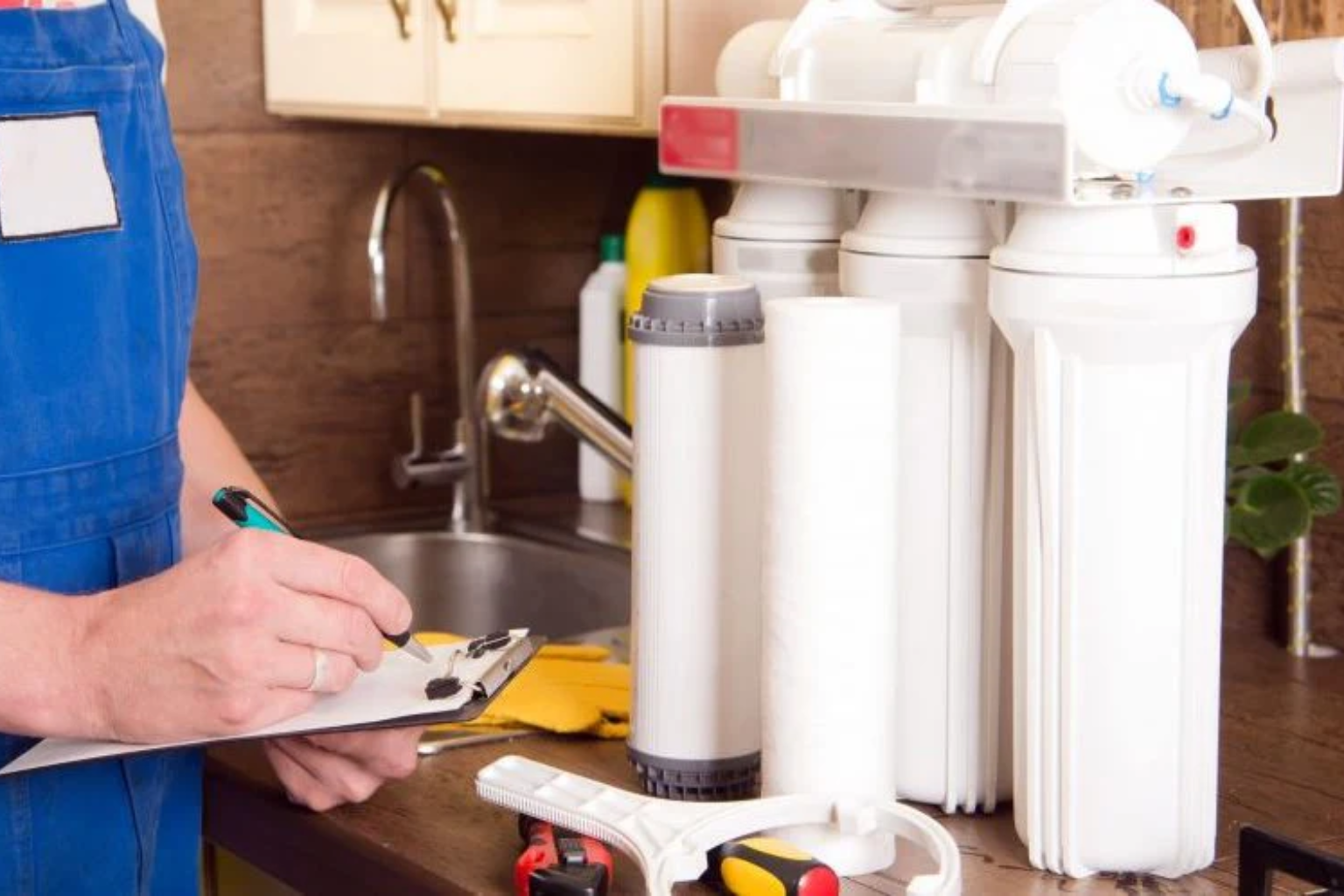
Activated carbon filters can reduce chlorine taste and certain organic compounds. Reverse osmosis systems remove dissolved solids. Water softeners address hardness issues.
The right choice depends entirely on your specific water profile.
There’s no universal answer — and that’s okay.
A Broader Perspective
It’s easy to take modern water systems for granted. But when you zoom out, it’s remarkable.
Water is captured from mountains or aquifers, treated meticulously, transported across miles of infrastructure, and delivered reliably to your kitchen sink.
All for the twist of a handle.
Understanding that journey doesn’t need to make you anxious. It can actually build appreciation.
Bringing It Back to Your Faucet
If you’ve ever wondered why your water tastes slightly different from a friend’s across town, now you know. Source water, treatment practices, and infrastructure all play a role.
The key isn’t obsessing over every detail. It’s staying informed.
Read your local water report. Test your water if you rely on a well. Consider filtration if it aligns with your preferences or specific concerns.
Because when you understand where your water comes from — and how it reaches you — it stops being a mystery.
It becomes something dependable.
And there’s something quietly reassuring about that.