


Most of us don’t spend much time thinking about what happens after the trash truck pulls away. The bin is empty, the driveway looks clean, and life moves on. But that “out of sight, out of mind” approach doesn’t hold up anymore—not for businesses, and not for communities trying to build a sustainable future.
Waste has a destination. It travels. It gets sorted, processed, buried, or transformed. And the choices we make about how it’s handled have ripple effects far beyond a single pickup day.
The good news? We have better options now. And more businesses are beginning to treat waste as something to manage thoughtfully, not just discard.
The Shift Toward Smarter Recycling
For years, recycling was treated as a side effort. A blue bin in the corner. A few posters reminding employees to separate paper from plastic. It was well-intentioned but often inconsistent.
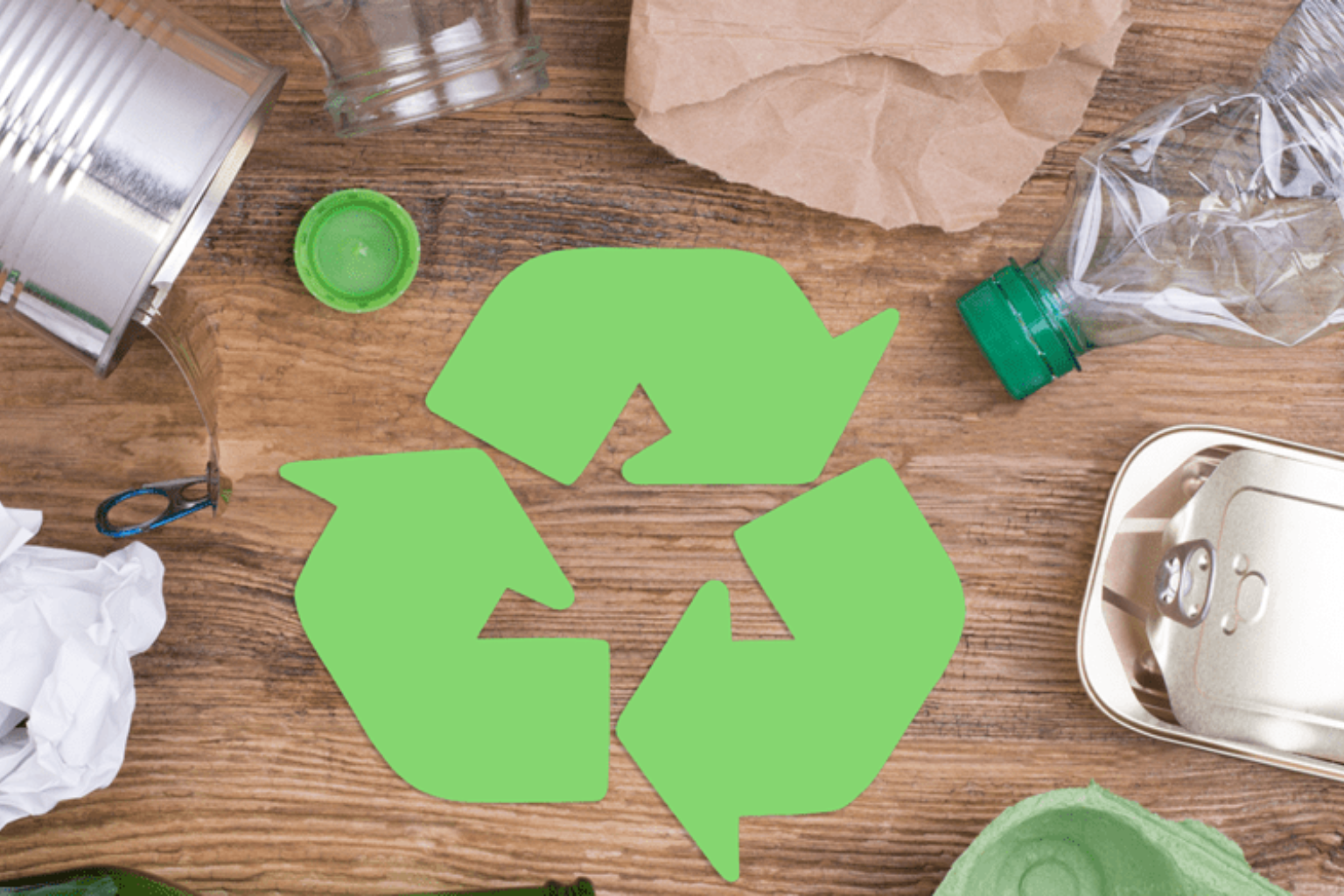
Today, professional recycling services have changed the game. Instead of leaving sorting up to guesswork, these services implement structured systems—collection schedules, material-specific containers, and tracking tools that measure diversion rates.
That structure matters.
When recycling programs are integrated into daily operations, waste diversion improves dramatically. Cardboard from shipping departments, scrap metal from manufacturing floors, even food waste from commercial kitchens can be redirected into recovery streams rather than landfill sites.
And here’s the thing—effective recycling isn’t just about environmental ethics. It often reduces disposal costs and improves operational efficiency.
Looking Beyond the Landfill
Landfills have long been the default solution. But they’re not a sustainable one.
Space is limited. Methane emissions are a concern. Long-term environmental impact can linger for decades. That’s why businesses are increasingly exploring landfill alternatives that prioritize recovery and reuse.
Composting organic waste, repurposing construction debris, converting certain waste streams into energy—these aren’t fringe ideas anymore. They’re viable strategies supported by advancing technology and regulatory incentives.
For example, food processing facilities can divert organic byproducts to composting operations. Construction companies can recycle concrete and asphalt into new building materials. Manufacturers can reprocess scrap metals back into production cycles.
The mindset shifts from “Where do we put this?” to “How can this be reused?”
And that shift changes everything.
The Responsibility Factor
Waste management isn’t just operational—it’s ethical.
Communities notice how local businesses handle byproducts. Investors increasingly evaluate environmental performance as part of decision-making. Employees often prefer working for companies that demonstrate care beyond profit margins.
Structured waste programs signal commitment. They show that a company takes responsible disposal seriously, not just as a regulatory requirement but as a core value.
That credibility carries weight.
And in competitive markets, trust can be a differentiator.
The Economics of Sustainability
There’s a misconception that sustainable waste strategies always cost more. In reality, thoughtful planning often reveals efficiencies.
Reducing waste volume can lower hauling fees. Recycling certain materials may generate rebates. Avoiding landfill overuse can prevent rising disposal costs.
Beyond direct savings, there’s risk mitigation. Proper disposal practices reduce the likelihood of fines, cleanup liabilities, or reputational damage associated with improper handling.
Viewed through a long-term lens, sustainability isn’t just good for the planet—it’s good for business resilience.
Creating a Culture of Awareness
Even the most advanced recycling system fails without participation.
Employee training and engagement matter. Clear signage. Simple sorting guidelines. Regular communication about progress.
When people understand why waste diversion matters, they’re more likely to comply. When leadership models environmental responsibility, it becomes part of company culture.
Small behavioral shifts—like reducing single-use packaging or improving material segregation—compound over time.
And culture, once established, tends to sustain itself.
Technology’s Growing Role
Digital tracking systems now monitor waste streams in real time. Analytics identify patterns and highlight inefficiencies. Smart compactors reduce collection frequency.
Technology brings transparency.
Facilities can measure exactly how much waste they generate, how much is recycled, and where improvements are possible. That data transforms waste management from a vague obligation into a measurable performance metric.
What gets measured gets improved.
Community and Environmental Impact
Responsible waste practices extend beyond facility walls.
Reduced landfill contributions mean fewer emissions. Recycling conserves natural resources. Composting improves soil health. Proper disposal prevents contamination of water and air.
These outcomes ripple outward.
Communities benefit. Ecosystems benefit. Future generations benefit.
And businesses that contribute to these positive impacts build stronger community relationships in the process.
Moving Forward with Intention
Waste is inevitable. Production creates byproducts. Consumption generates leftovers. The question isn’t whether waste exists—it’s how thoughtfully it’s handled.
Smart recycling strategies, innovative landfill alternatives, and structured disposal programs represent progress. They reflect a broader understanding that sustainability isn’t an add-on—it’s integrated.
The most successful organizations don’t treat waste as an inconvenience. They treat it as part of their operational ecosystem.
Final Thoughts
We may not see where our waste ends up, but its journey matters.
By investing in organized recycling programs, exploring alternatives to landfill dependence, and committing to responsible disposal practices, businesses can reduce environmental impact while strengthening operational stability.
It’s not about perfection. It’s about progress.
And sometimes, progress starts with something as simple—and as powerful—as choosing where your waste goes next.