
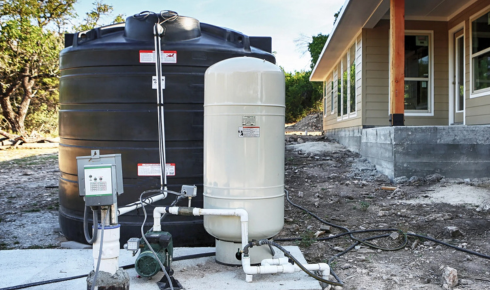


We don’t usually think about water pressure until it’s gone. A sudden trickle in the sink, a stubborn irrigation line, a shower that feels more like a drizzle. That’s when we remember: somewhere behind the scenes, a pump is (or was) doing its job. And when it stops doing that job? Things come to a halt—quickly.
But pumps aren’t one-size-fits-all. Just like the tools in your garage, the right pump depends on the job. Pulling water from a deep well? Flooding a rice paddy? Getting clean water from a tank into a house? There’s a specific solution for every need.
Let’s roll up our sleeves and take a closer look at the unsung heroes of water systems: the jet, centrifugal, and irrigation pumps that make modern living—and farming—possible.
The Deep Draw of Jet Pumps
For homes that rely on private wells—especially those with deeper water tables—jet pumps are often the go-to. These are clever, hard-working devices that use a combination of suction and pressure to draw water up from underground sources and into the home.
What makes jet pumps special is their ability to handle varying depths. Shallow-well jet pumps typically handle water less than 25 feet deep, while deep-well versions are built for the 100-foot-plus club. They’re often mounted above ground (which makes maintenance easier) and work by creating a vacuum that pulls water upward.
But here’s the thing: they’re not plug-and-play. Getting a jet pump sized and installed properly matters—a lot. Too small, and you’ll wear it out early. Too big, and you’ll burn energy unnecessarily. Like a good pair of boots, fit is everything.
The Simplicity and Power of Centrifugal Pumps
If jet pumps are the multitaskers of the well world, centrifugal pumps are the straightforward workhorses. They use spinning impellers to move water, generating steady, reliable flow. No complex jet assemblies. No deep suction mechanisms. Just good, honest force.
Centrifugal pumps shine in situations where water needs to be moved quickly over short to medium distances—think water transfer, circulation systems, or surface-level applications. They’re common in industrial settings, commercial buildings, and even residential booster systems.
They also tend to be easier to maintain and more efficient than their jet-powered cousins when used properly. That’s because they don’t need to deal with the drag of pulling water vertically from a deep source—they’re more about pushing than pulling.
Feeding the Fields: The Role of Irrigation Pumps
Now, zoom out. Way out. Past the back porch, beyond the fence, into the open fields of farms and orchards. Watering large plots of land isn’t just about hooking up a hose—it’s a whole system. And at the heart of that system? You’ll find irrigation pumps doing the heavy lifting.
These pumps are built to handle high volumes of water over long periods. They’re rugged, often diesel-powered (though electric is gaining ground), and designed to run day in and day out during growing seasons. Some draw from rivers or canals, others from wells or reservoirs. Some feed drip lines, others blast water through overhead sprinklers.
Irrigation pumps are critical for crop yield. A dry week or a malfunction in the system can make or break a harvest. That’s why farmers invest in high-capacity, durable equipment—and they know exactly what happens when a pump fails during a heatwave.
Matching the Right Pump to the Right Job
Choosing the right pump isn’t just a technical decision—it’s practical, financial, and sometimes even emotional. Your pump becomes part of your daily life. When it works well, everything flows. When it doesn’t? It throws off your whole rhythm.
Here’s a quick way to think about it:
- Need to lift water from deep underground for a house or cabin? You’re likely looking at jet pumps.
- Moving water horizontally in large volumes—for pools, tanks, or systems with light resistance? That’s a job for centrifugal pumps.
- Watering crops or managing farm-scale irrigation? Step aside for irrigation pumps, built to endure long hours and variable demand.
Of course, there’s overlap. And in many cases, pump systems include hybrids, backups, or specialized configurations to meet local needs. That’s where working with someone who understands flow rates, head pressure, and power usage comes in handy.
A Few Practical Thoughts Before You Buy (or Replace)
- Size matters – Undersized pumps overwork and wear out quickly. Oversized pumps waste energy and money. Get it right the first time.
- Electric vs. diesel – For smaller systems, electric is king. For remote or large-scale farms? Diesel might be the better option.
- Maintenance is everything – No pump is “set it and forget it.” Clean filters. Check seals. Listen for strange sounds. Replace worn parts before they break.
- Don’t cheap out – That bargain-bin pump might save money now, but it could cost you triple in headaches (or water loss) later.
When It All Works, Life Just Flows
Pumps might not be the stars of your home or farm setup, but they’re the ones working silently in the background, pushing water where it needs to go. And when they’re working right, they give you something invaluable: peace of mind.
Whether you’re living off-grid, managing a crop field, or just making sure your shower feels like a shower and not a mist sprayer, it’s worth taking the time to choose the right system—and to take care of it.