Garbage might not be something business owners enjoy thinking about, but it certainly becomes difficult to ignore when containers overflow. A busy restaurant, a growing retail store, or a warehouse receiving frequent deliveries can generate an impressive amount of waste in just a few days.
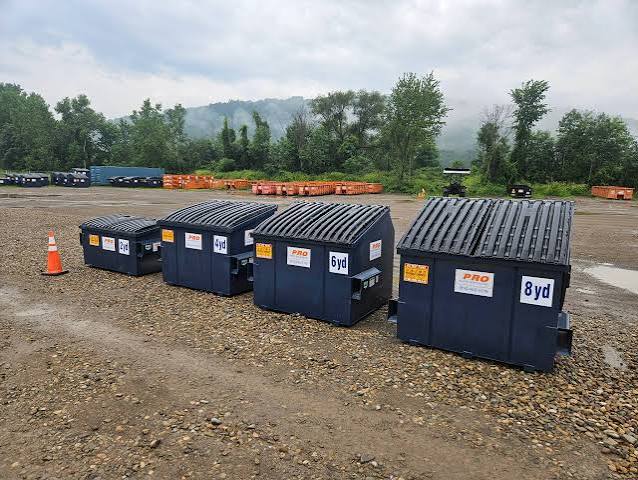
For businesses dealing with substantial quantities of everyday garbage, an 8-yard commercial dumpster can provide the additional capacity needed to keep waste storage areas organized between scheduled collections.
However, larger containers aren’t necessarily the answer to every disposal problem. Available space, collection frequency, waste characteristics, and operating expenses all influence what makes sense for a particular business.
Finding the right arrangement takes a little planning, but the benefits can extend well beyond cleaner surroundings.
Understanding When Your Business Needs a Larger Dumpster
Businesses often outgrow their original waste collection arrangements without immediately realizing it.
Perhaps you’ve hired additional employees, expanded your product range, or started receiving larger shipments. Suddenly, the garbage container that worked perfectly two years ago is constantly reaching capacity.
An eight-cubic-yard container may be particularly suitable for busy supermarkets, larger restaurants, warehouses, shopping centers, and commercial properties generating substantial volumes of approved waste.
Its increased capacity provides more room for everyday garbage and can help accommodate occasional increases in disposal demand.
Related context Cleaner Water at Home: Finding a Filtration Solution That Fits Your Needs
However, consider how frequently the container needs emptying. Businesses producing considerable amounts of food waste might benefit from more frequent pickups instead of allowing garbage to remain onsite for extended periods.
The goal is to maintain manageable waste levels without creating unnecessary sanitation concerns or expenses.
Making the Most of Limited Commercial Space
Not every commercial property has a spacious loading area or dedicated waste storage enclosure. Smaller businesses often operate in buildings where every available square foot matters.
For these establishments, exploring compact waste solutions can help maintain effective disposal arrangements without sacrificing valuable parking spaces, storage areas, or delivery access.
Smaller containers combined with appropriately scheduled collections may offer a practical alternative to larger dumpsters.
Separating recyclable cardboard and breaking down suitable packaging materials can also help reduce unnecessary pressure on general waste containers.
Before choosing equipment, examine how employees currently move waste through the property.
Is the container convenient to access? Does its location interfere with deliveries or neighboring businesses?
Related context Your Own Little Escape by the Lake: Finding the Perfect Cabin at Half Moon Resort
Sometimes, improving container placement and organizing waste separation makes a bigger difference than simply increasing available capacity.
Adapting Waste Collection to Changing Business Demands
One interesting thing about commercial waste is how unpredictable it can be.
A restaurant might experience a particularly busy holiday weekend, while a retail store could receive several unexpected shipments. During quieter periods, those same businesses may generate considerably less garbage.
Arranging flexible waste collection allows businesses to adjust disposal services as operational demands change, rather than paying for unnecessary capacity throughout the entire year.
Ask your service provider whether additional pickups or temporary containers are available during particularly busy periods.
It’s also worth reviewing previous collection patterns. If your containers regularly overflow during specific months, you can plan additional capacity before the problem occurs again.
A little forward thinking can prevent last-minute disposal arrangements and help keep employees focused on their usual responsibilities.
Creating a Cleaner Environment for Employees and Customers
Think about what happens when a commercial waste area becomes neglected. Loose packaging collects around containers, odors become noticeable, and employees have difficulty finding space for additional garbage.
Related context Planning a Responsible Backlink Budget for a Forex Business
It’s hardly an ideal working environment.
A properly managed disposal area contributes to cleaner surroundings and makes everyday responsibilities more straightforward.
Encourage employees to place waste inside the appropriate containers, keep lids closed where applicable, and avoid leaving loose materials beside dumpsters.
Regular inspections can help identify overflowing containers or damaged equipment before these issues become more difficult to manage.
Customers may never see your waste collection arrangements, but they certainly appreciate a property that looks clean, organized, and professionally maintained.
Reducing Waste Before It Reaches the Dumpster
Increasing container capacity isn’t the only way to address growing disposal needs.
Many businesses have opportunities to reduce the amount of garbage they produce through better purchasing habits, inventory management, and recycling practices.
Related context Understanding Your Well Water: From Unusual Smells to Reliable Home Treatment
Retailers can separate accepted cardboard packaging, while offices might reduce unnecessary paper consumption.
Restaurants can review inventory handling and food preparation practices to identify avoidable waste.
Clearly labeled containers make it easier for employees to separate recyclable materials from general garbage.
Check with your local collection provider about accepted materials, since recycling requirements vary.
Reducing unnecessary waste may help businesses manage disposal expenses while making more responsible use of available resources.
Understanding the Financial Side of Commercial Waste Services
Before agreeing to a commercial dumpster rental, take time to understand the complete pricing structure.
Monthly expenses may depend on container capacity, collection frequency, material restrictions, and additional service requirements.
Ask about charges for overflowing containers, supplementary pickups, and changes to collection arrangements.
Related context Choosing the Right Water Treatment for Homes, Farms, and Businesses
Also, confirm whether the provider can access your property conveniently. Blocked collection areas and unsuitable container placement may lead to missed pickups or additional charges.
Clear service agreements make budgeting considerably easier and help businesses avoid unpleasant financial surprises.
Building a Waste Management Routine That Works
Effective commercial waste management doesn’t need to become another complicated business responsibility.
Start by understanding your actual waste volume, available space, and operational requirements. Choose equipment that reflects those needs and review collection arrangements as your business grows.
Encourage responsible disposal habits among employees and maintain clear communication with your service provider.
Running a successful business already requires attention to countless details. Garbage collection shouldn’t be something you constantly worry about.
With suitable containers and dependable service arrangements, waste management can quietly become one of the easiest parts of keeping your business running smoothly.