Water quality has a way of getting your attention when something goes wrong. Perhaps a homeowner notices rusty stains around the bathroom sink, a café struggles with scale buildup in its coffee machine, or a business discovers that its equipment needs servicing more often than expected. These problems may look unrelated, but they often have something in common: the water supply isn’t quite suited to the property’s needs.
Fortunately, water treatment doesn’t have to involve guesswork. The right approach begins with understanding the source of the water, identifying any concerns, and choosing equipment that addresses them. A private well, a busy commercial kitchen, and a manufacturing facility all have different requirements, so a solution that works beautifully in one setting may not be suitable for another.
Understanding the Water Before Treating It
Before investing in equipment, it’s worth finding out what’s actually in the water. Hardness minerals, iron, sediment, unpleasant tastes, and certain contaminants can affect water in different ways. Some problems are easy to spot, while others require proper testing.
Hard water, for example, often leaves chalky deposits on faucets, shower screens, and heating elements. Iron can cause reddish-brown staining, while sediment may appear as particles in a glass of water. However, clear water isn’t necessarily free of contaminants, and appearance alone can’t establish whether a supply is safe to drink.
Testing should be tailored to the water source and the concerns involved. Municipal water users may want to investigate changes associated with household plumbing, while private well owners should consider testing for bacteria, nitrates, and other locally relevant risks. Commercial properties may need additional testing based on how water is used in their operations.
Once the results are available, choosing a treatment method becomes more straightforward. It also helps prevent spending money on equipment that doesn’t address the real issue.
Related context City Tap or Private Well? Finding the Right Water Solution for Your Home
Managing Water From a Private Well
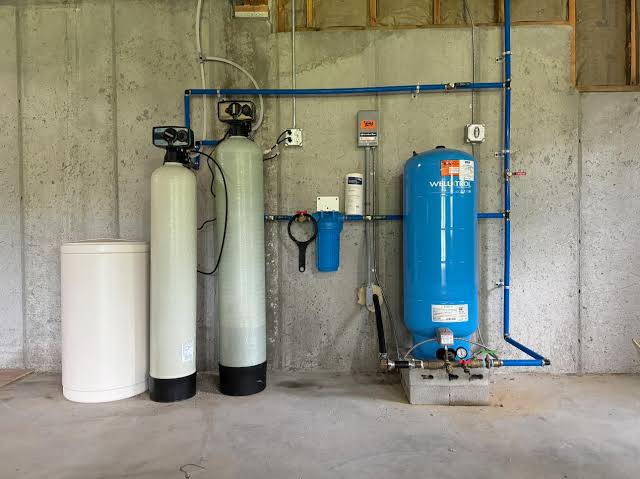
Private wells provide a valuable water source for many rural properties, farms, and homes outside municipal service areas. They also require ongoing attention because groundwater quality can change with weather, nearby land use, well construction, and the condition of the surrounding area.
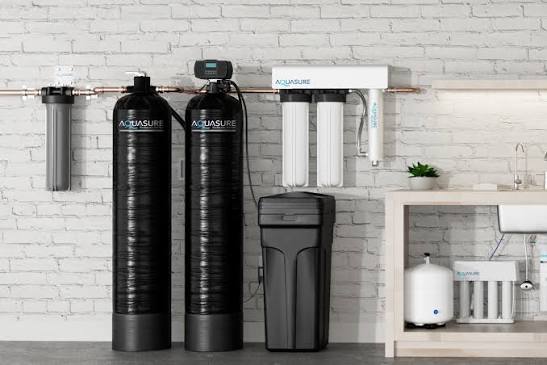
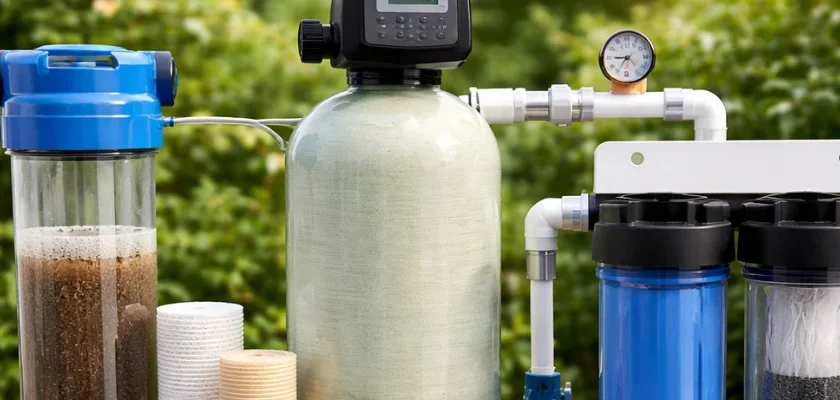
A properly selected well water treatment system can address specific problems identified through testing. Depending on the results, treatment may involve sediment filtration, iron removal, water softening, activated carbon, or disinfection. Some properties need only one treatment stage, while others benefit from several technologies working together.
The order of treatment can make a difference. For instance, removing sediment before ultraviolet disinfection can help the disinfection system work effectively because suspended particles may interfere with the process. Likewise, equipment designed to remove iron may need to account for the concentration and chemical form of the iron in the water.
There isn’t a single filter that removes every possible contaminant. A system should be selected according to verified performance data and installed according to the manufacturer’s requirements.
Regular testing remains essential after installation. A treatment system can reduce identified risks, but it doesn’t eliminate the need to monitor a private well. After flooding, repairs, or sudden changes in taste, smell, or appearance, arrange appropriate testing and follow local public health advice.
Related context Understanding Your Well Water: From Unusual Smells to Reliable Home Treatment
Why Commercial Water Quality Needs a Different Approach
Businesses often use substantially more water than households, and their needs can change throughout the day. A restaurant may experience heavy demand during lunch and dinner service. A hotel might need reliable water for laundry, kitchens, guest bathrooms, and heating equipment. In a manufacturing facility, water quality may influence product consistency or the performance of specialized machinery.
This is where properly designed commercial water softeners can be valuable. Commercial softening equipment reduces hardness minerals through ion exchange, helping limit scale formation in pipes, boilers, water heaters, dishwashers, and other equipment.
Scale isn’t merely a cosmetic nuisance. Mineral deposits can reduce heat-transfer efficiency, restrict water flow, and increase maintenance requirements. In a busy operation, those issues may contribute to downtime and higher operating expenses.
However, commercial softeners need to be sized for actual demand. An undersized unit may struggle during peak usage, while poorly configured regeneration settings can waste water and salt. Businesses should consider flow rates, hardness levels, operating schedules, available space, and the cost of ongoing maintenance before selecting equipment.
It’s also important to remember that softening doesn’t remove every contaminant. If a business needs protection against specific chemicals or microorganisms, additional treatment may be necessary.
When Reverse Osmosis Makes Sense for Commercial Use
Some businesses need more than softened water. Restaurants, beverage producers, laboratories, and certain industrial facilities may require water with reduced concentrations of dissolved minerals and other selected substances.
Related context Cleaner Water at Home: Finding a Filtration Solution That Fits Your Needs
Commercial reverse osmosis systems use a semipermeable membrane to separate much of the dissolved material from the incoming water. The exact results depend on the membrane, operating conditions, incoming water quality, and the substances being measured.
In food service, suitable reverse osmosis equipment may help achieve consistent water characteristics for beverages, ice production, or food preparation. In other applications, it can support processes that require tighter control over dissolved minerals. The correct design depends on the intended use, not simply the size of the building.
These systems also require careful planning. Pretreatment may be needed to reduce sediment, chlorine, hardness, or other substances that could damage or foul the membrane. Pressure, recovery rate, wastewater production, and storage capacity should all be considered during system design.
Maintenance matters just as much as installation. Membranes and prefilters have service requirements, and declining performance may indicate fouling, scaling, or another operational issue. Periodic checks help identify problems before water quality or production schedules are affected.
Businesses should also ask for performance documentation that identifies which substances the equipment is designed to reduce. Reverse osmosis is highly useful in the right application, but it isn’t automatically the best option for every water supply.
Related context Finding the Right Water Solution: How Modern Filtration Helps Create a Healthier Home
Looking Beyond the Initial Equipment Cost
The purchase price is only one part of a water treatment investment. Replacement filters, salt, electricity, professional servicing, and wastewater costs can add up over time. Equipment that’s inexpensive to install may become costly if it needs frequent repairs or uses more resources than expected.
For commercial facilities, the financial impact of downtime deserves attention as well. A treatment system that fails during a busy service period can disrupt normal operations and affect customers. Planned maintenance, accessible replacement parts, and dependable technical support may therefore be worth paying for.
Ask potential providers to explain their recommendations in practical terms. What problem will the system solve? How will performance be verified? Which parts need routine replacement? What happens if demand increases? Clear answers are more useful than broad promises about perfect water.
Maintenance Keeps the Results Consistent
Even a well-designed system needs regular care. Filters collect particles, softeners require regeneration, and reverse osmosis membranes gradually accumulate substances that can affect performance. Ignoring maintenance may reduce treatment effectiveness without producing an obvious warning.
Create a schedule based on the equipment manufacturer’s instructions and the property’s actual water conditions. Keep records of service visits, replacement dates, and water test results. For businesses, written maintenance logs can help staff coordinate inspections and identify recurring problems.
Related context Finding the Right Help for Your Water Needs Shouldn’t Feel Complicated
If water quality changes unexpectedly, investigate rather than assuming the equipment simply needs another filter. The cause could be a change in the incoming supply, a plumbing issue, incorrect settings, or a component failure.
Making a Confident, Informed Choice
Good water treatment begins with asking the right questions. Whether you’re managing a private well, protecting commercial equipment, or improving water for a customer-facing business, testing and thoughtful system design are more valuable than buying equipment based on marketing claims.
Start by understanding the water, decide which problems matter most, and compare solutions according to their verified capabilities and ongoing costs. Then make maintenance part of the plan from the beginning.
Water is essential to daily life and business operations, yet its quality can easily be overlooked until something goes wrong. With the right information and a suitable treatment system, it’s possible to reduce avoidable problems, protect equipment, and enjoy more dependable water for the long term.