Water is part of nearly everything we do at home. We drink it, cook with it, shower in it, and use it to wash clothes and clean dishes. Most days, we turn on a tap without giving the water a second thought. But when an unusual taste appears, cloudy water comes out of the faucet, or mineral stains start collecting around the sink, it’s hard not to wonder what is happening.
The good news is that many common water quality concerns can be addressed with the right treatment approach. The challenge is knowing which solution makes sense for your household. Water filtration isn’t a one-size-fits-all purchase, and choosing equipment without understanding the problem can lead to disappointing results. A little research and proper testing can make the decision much easier.
Understanding What Is in Your Water
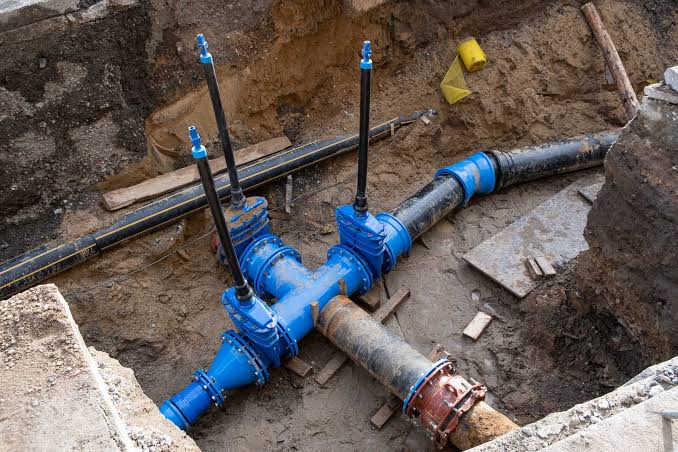
Water quality depends on several factors, including the source, local geology, municipal treatment, and the condition of household plumbing. City water is generally treated and monitored, but disinfectants and naturally occurring minerals may still affect its taste, smell, and behavior around the home. Private well water can vary even more, sometimes containing sediment, iron, manganese, or other substances that require specific treatment.
Not every visible change means water is unsafe, and water that looks perfectly clear isn’t automatically free from contaminants. Appearance alone tells only part of the story.
A water test is a sensible starting point. Depending on the water source and the concerns involved, testing may examine hardness, pH, iron, manganese, turbidity, and selected contaminants. If the household relies on a private well, regular testing is especially important because water conditions can change over time.
Once the results are available, it’s easier to distinguish between a problem that needs treatment and a harmless characteristic that doesn’t require expensive equipment.
Related context Finding the Right Water Solution: How Modern Filtration Helps Create a Healthier Home
What Does Chlorine-Free Water Really Mean?
Chlorine is widely used to disinfect municipal water supplies. It helps control microorganisms as treated water travels through pipes and reaches homes. This process serves an important public health purpose, even though some people dislike the taste or smell associated with chlorine.
For households that find the flavor unpleasant, filtration may improve the drinking experience. Activated carbon filters, for example, can reduce chlorine when they’re properly designed and maintained for that purpose. The effectiveness depends on contact time, water flow, filter capacity, and the condition of the media.
People searching for chlorine-free water should understand the difference between reducing chlorine and producing water that is completely free of it. A suitable filter may lower chlorine levels significantly, but performance varies by product and operating conditions. Check the manufacturer’s reduction claims and follow replacement instructions rather than assuming a filter will work indefinitely.
There’s another important consideration: removing chlorine from water doesn’t automatically make it safer in every respect. Chlorine is a disinfectant, not simply an unwanted ingredient. If water is being treated at the point of entry into a property, the complete system should be selected carefully, particularly where plumbing conditions or microbial risks are a concern. A qualified professional can help assess the appropriate setup.
Why Cloudy Water Deserves a Closer Look
Cloudiness, sometimes called turbidity, occurs when suspended particles scatter light as it passes through water. These particles might include fine sediment, clay, organic material, or other matter. In some cases, bubbles caused by pressure changes make tap water look milky, then clear from the bottom upward after standing for a short time.
Related context Understanding Your Well Water: From Unusual Smells to Reliable Home Treatment
The distinction matters. Water that clears quickly may simply contain tiny air bubbles, while persistent cloudiness can have a different cause. Sudden changes in appearance, unusual odors, or visible particles deserve attention, especially if the water comes from a private well or the change affects multiple taps.
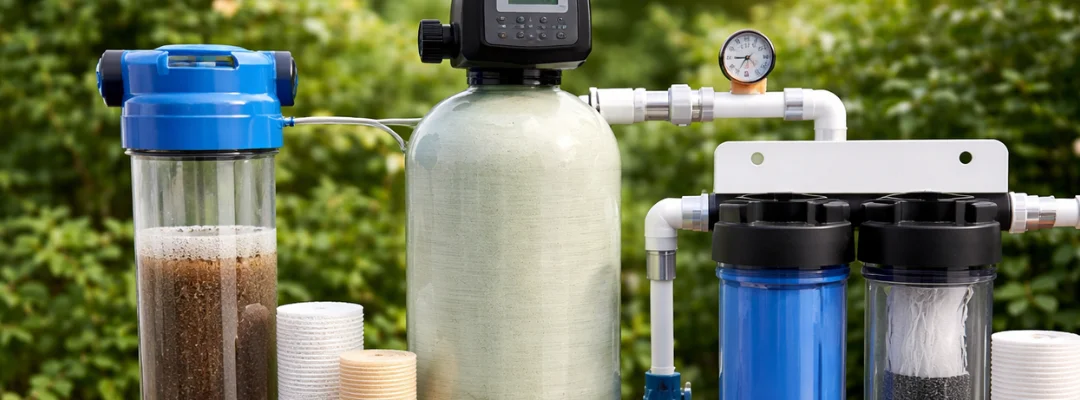
Depending on the source of the problem, filtration may help reduce turbidity by capturing suspended particles before water reaches household fixtures. Sediment filters and suitable media-based systems are common options, but the correct choice depends on particle size, concentration, flow requirements, and the overall water chemistry.
A filter designed for larger sediment won’t necessarily capture very fine particles effectively. Likewise, a system intended to improve clarity may not remove dissolved chemicals or microorganisms. That’s why testing and correct system selection are more useful than choosing a filter based solely on its advertised features.
The Role of Customized Filtration Media
Different water problems call for different treatment methods. Sediment, chlorine, hardness, iron, and specific dissolved contaminants don’t all behave the same way, so a single type of filter media cannot be expected to solve every issue.
This is where customized filtration media can make a difference. Depending on the water analysis, a treatment system may use specialized media selected for a particular filtration or contaminant-reduction task. Some media are designed to capture suspended particles, while others support processes that target iron, manganese, or certain other substances. Activated carbon is commonly used to reduce chlorine and improve taste and odor when the system is appropriately designed.
Related context City Tap or Private Well? Finding the Right Water Solution for Your Home
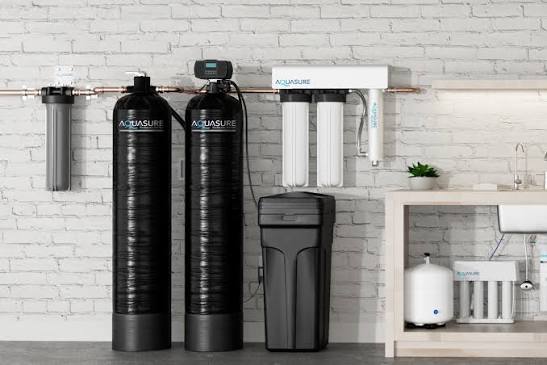
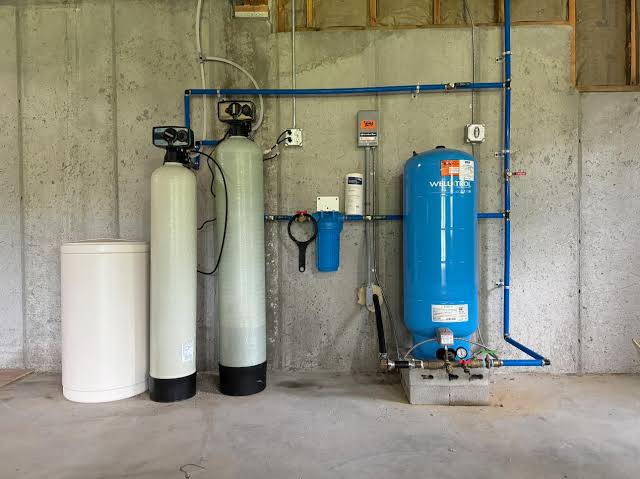
In homes with several water quality concerns, a combination of treatment stages may be more effective than relying on one filter. For instance, sediment filtration may protect downstream equipment, while a separate carbon filter addresses chlorine taste. If hardness is also a problem, a water softener may be needed because ordinary sediment filtration doesn’t remove the dissolved minerals responsible for scale.
The sequence and size of these components matter. Installing equipment in the wrong order or choosing media that doesn’t suit the incoming water can affect performance and increase maintenance costs. A professional assessment helps determine whether a simple filter is sufficient or a more tailored setup is justified.
Choosing a System Without Overspending
It’s easy to get distracted by product descriptions, impressive specifications, and promises of exceptional water quality. Before making a purchase, take a step back and consider what your home actually needs.
Start by identifying where the issue occurs. If the main complaint is an unpleasant drinking-water taste, a properly selected point-of-use filter may be enough. If sediment affects showers, laundry, and several faucets, a whole-house system could be more appropriate.
Household water demand is another factor. A system must provide enough flow for daily use without causing frustrating pressure drops. Families using multiple bathrooms at the same time may need a larger capacity than a smaller household.
Related context Where Your Water Really Comes From: Understanding Local Sources and What They Mean for Your Home
Ask potential installers about the following:
- Which specific water quality issue is the equipment designed to address?
- What test results support the recommendation?
- How often will filters or media need servicing?
- Are replacement parts readily available?
- What are the expected installation and annual maintenance costs?
- Is the equipment independently certified or tested for the performance claims that matter to you?
These questions help move the conversation away from sales promises and toward practical results. It’s also worth requesting a written estimate that explains the proposed equipment and any ongoing service requirements.
Maintenance Is Part of the Solution
Even the best filtration system needs regular care. Filter cartridges eventually become loaded with particles, carbon media loses capacity, and mechanical components may require inspection. Backwashing systems need suitable operating conditions and properly functioning cleaning cycles to maintain their performance.
Follow the manufacturer’s maintenance schedule, but pay attention to changes in the water as well. A sudden drop in pressure, a return of unpleasant taste, or a noticeable change in clarity may indicate that the equipment needs attention. These signs don’t always mean the filter has failed, but they shouldn’t be ignored.
Keep a simple record of installation dates and service visits. It makes replacement schedules easier to manage and helps identify recurring issues before they become expensive problems.
Related context Choosing the Right Water Treatment for Homes, Farms, and Businesses
Making a Better Choice for Your Home
Good water treatment begins with understanding the water, not buying the first system that looks promising. Testing helps reveal the actual concerns, while a thoughtful assessment connects those findings with suitable filtration methods.
Whether you’re trying to improve drinking-water taste, address persistent cloudiness, or manage several water quality issues at once, the right solution should fit your property, usage habits, and maintenance budget. Take time to compare options, ask questions, and understand what each component can realistically accomplish.
Clearer, better-tasting water can make everyday life more comfortable. More importantly, a well-chosen treatment system gives you a practical way to manage water quality based on evidence rather than guesswork.