Ever poured yourself a glass of water and wondered what’s really in it? If you’re like most people, you probably haven’t — at least not until the taste is a bit off, the smell turns metallic, or your shower leaves your skin feeling drier than a desert wind. The truth is, water is something we use constantly but think about rarely. That changes, though, the moment something feels wrong. But here’s a radical thought: what if we started paying attention before the problem shows up?
It all begins with awareness. Not fear. Not paranoia. Just simple, proactive awareness.
When “Clean” Doesn’t Mean “Safe”
Here’s the deal. Even if your water looks crystal clear, that doesn’t guarantee it’s free of contaminants. Municipal treatment plants do their part, but by the time that water travels through miles of pipes, anything can happen. Lead, chlorine, pesticides, hard minerals — you name it. And if you’re on well water? You’re pretty much on your own.
That’s why water testing is no longer a “nice-to-have.” It’s a must. Whether you’re moving into a new home, installing a filtration system, or just being smart about your health, testing gives you the facts. No guesswork. No relying on how it smells or looks. Just real data.
Related context Clean Water at Home: Why It’s Not Just a Luxury — It’s a Lifeline
Let’s Talk Taste — And Why It’s More Than Just Flavor
Ever notice how bottled water always tastes smoother than the tap? It’s not magic. It’s filtration. Most of us tolerate the weird aftertaste in our tap water because we’ve gotten used to it. But if you strip that away — the chlorine tang, the earthy hint from underground sources — what’s left is pure, clean hydration. That’s what our bodies crave.
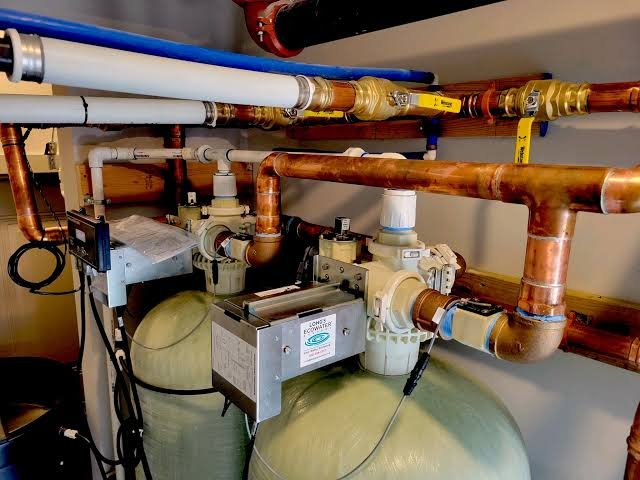
And while taste is a strong motivator, there’s something deeper here: trust. When you pour a glass for your kid or cook dinner using tap water, you want to know it’s genuinely safe — not just “probably fine.” Installing a whole home filtration system isn’t just about cleaner water at the kitchen sink. It’s about every faucet. Every shower. Every load of laundry. Every single drop that touches your life.
A Quick Reality Check on What’s Hiding in Your Pipes
Let’s take a breather for a moment. Think about this: your home’s plumbing is a network of tunnels — some maybe decades old. And over time, buildup happens. Rust. Sediment. Sometimes even bacteria. That’s not to freak you out, but to highlight the reality of what can accumulate unnoticed.
Related context Why Home Water Quality Matters More Than Most People Realize
A lot of families start to notice red flags over time: itchy skin, stained toilets, cloudy glasses from the dishwasher, or that mysterious odor when the shower first kicks on. It’s easy to chalk it up to “just how water is,” but it doesn’t have to be.
Investing in routine water services can be a game-changer. From softener maintenance to professional filter changes to system flushing, these aren’t just technical tune-ups. They’re long-term health and home investments. Just like you’d service your car, your water systems deserve regular check-ins too.
The Health Angle: It’s Not Just About Drinking
Here’s a surprising truth: the water you don’t drink might impact you even more than the water you do. Showering in chlorinated or hard water can strip natural oils from your skin. Doing laundry in iron-heavy water can yellow whites or fade colors. Even your appliances—dishwashers, water heaters, ice makers—feel the strain. Hard water clogs. Chlorine corrodes. Sediment builds up.
Related context From Home Kitchens to Busy Workspaces: Why Better Water Matters More Than We Think
And if you or someone in your family has sensitive skin, allergies, or respiratory issues? It’s not dramatic to say that filtering your home’s water might actually improve their quality of life. We focus so much on the food we eat and the air we breathe, but water? It’s the forgotten frontier of wellness.
Is It Expensive? Here’s the Honest Take
There’s this assumption that filtration systems cost a fortune. And sure, some setups can run into the thousands. But that’s usually for large, custom-built systems or advanced setups for specific issues like arsenic or bacteria.
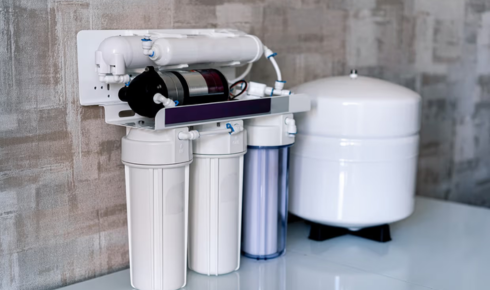
The good news? There’s a middle ground — affordable, effective options for average households. Basic whole-house filters, under-sink systems, or softeners can dramatically improve water quality without gutting your wallet. And when you consider the long-term savings — fewer plumbing repairs, longer appliance life, less bottled water — it starts to make real financial sense.
Related context Where Your Water Really Comes From: Understanding Local Sources and What They Mean for Your Home
What’s the First Step?
Start small. Order a professional test or a reputable home kit. See what’s in your water. If results look okay, great — you’re ahead of the curve. If something concerning pops up, you’ve got data. That’s power. You can filter out what you don’t want, and keep what you do.
And don’t worry — you don’t need to be a water scientist. Plenty of companies offer consultations, break down results in plain English, and help you choose systems tailored to your needs.
This isn’t about fear or doomscrolling about water quality disasters. It’s about control. About doing the best for your home without overcomplicating it.
Related context Safe Sips and Peace of Mind: Why Every Home Deserves Better Water
A Thoughtful Close
Here’s the truth: Water is the one utility that touches almost every aspect of our lives. We drink it, cook with it, bathe in it, wash our clothes and our kids in it. And yet, it gets the least attention until something’s wrong.
That can change — with a test, a filter, or just a conversation with someone who knows water better than we do. The point isn’t to panic. It’s to be proactive.
Because when you have clean, soft, great-tasting water flowing through every pipe in your house, something shifts. Showers feel better. Dishes sparkle. You start to trust the tap again.