There’s a particular kind of frustration that comes with turning on the kitchen tap and noticing something isn’t quite right. Maybe the water smells like rotten eggs, leaves orange marks around the sink, or stains the laundry despite using plenty of detergent. If your home relies on a private well, these problems can be more than a minor inconvenience. They may be signs that your water needs a closer look.
Well water offers independence from a municipal supply, but it also comes with responsibility. Groundwater conditions can change with rainfall, nearby land use, seasonal shifts, and the condition of the well itself. The good news is that most water concerns can be investigated systematically. You don’t need to guess your way through a long list of treatment products; start with testing, understand the results, and choose a solution that fits your home.
Why Well Water Can Change Over Time
Unlike municipal supplies, private wells generally don’t receive the same routine monitoring from a public water utility. The quality of the water depends on the surrounding geology, the depth and construction of the well, and possible sources of contamination nearby.
Heavy rainfall or flooding can affect a well, while agricultural activity and septic systems may introduce substances that deserve attention. Naturally occurring minerals can also influence water quality. Iron, manganese, calcium, and other dissolved materials may be present even when the water looks perfectly clear.
That doesn’t mean well water is inherently unsafe. Many private wells provide usable water for years with proper care. However, a change in taste, smell, colour, or clarity shouldn’t be ignored. Testing provides a more dependable answer than appearance alone, especially when health-related contaminants are a concern.
Related context City Tap or Private Well? Finding the Right Water Solution for Your Home
Recognising Common Water Quality Problems
Some water issues announce themselves through stains or smells. Others are less obvious, which is why understanding the difference matters.
Hard water contains elevated levels of calcium and magnesium. It may leave white deposits on showerheads, make soap harder to rinse away, and contribute to scale inside water heaters. Iron can produce orange or reddish-brown stains on sinks, toilets, and laundry. Manganese may cause darker staining under certain conditions.
A rotten-egg odor is another concern homeowners sometimes encounter. It may be associated with hydrogen sulfide, although plumbing conditions and other causes can produce similar smells. The source should be investigated before choosing treatment.
If the water suddenly becomes cloudy or discoloured, or if the smell changes noticeably, arrange appropriate testing. When contamination is suspected, don’t rely on a filter’s marketing claims or assume that boiling will solve every problem. Follow guidance from your local health department or water authority while the cause is being identified.
Addressing Hydrogen Sulfide and Iron
Hydrogen sulfide can give water an unpleasant rotten-egg smell. Depending on its concentration and the water chemistry, it may also contribute to corrosion or other household problems. Iron, meanwhile, is often associated with reddish staining, metallic taste, and deposits that can build up in plumbing fixtures.
Related context Cleaner Water at Home: Finding a Filtration Solution That Fits Your Needs
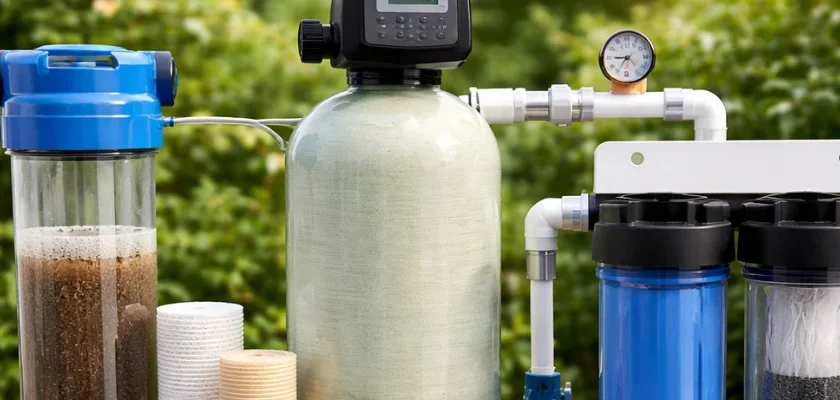
A properly selected H2S/iron removal unit for well water can help address these concerns when its technology matches the test results. Depending on the conditions, treatment may involve oxidation followed by filtration, specialised filter media, aeration, or another suitable process. The right approach depends on the levels of hydrogen sulfide and iron, the water’s pH, and the presence of other substances.
This is where testing becomes especially useful. A system designed for one type of iron may not perform well against another, and a unit that handles a mild odor may be unsuitable for a more demanding situation. Ask the provider to explain which substances the equipment is designed to reduce and what performance evidence supports that recommendation.
Maintenance matters, too. Some systems need periodic backwashing, media replacement, or cleaning. Without proper servicing, performance can decline, and the original smell or staining may return. A treatment system should come with clear instructions about ongoing care rather than leaving homeowners to figure it out later.
Improving Taste With Carbon Filtration
Not every well water concern involves iron or hydrogen sulfide. Sometimes the main issue is an unpleasant taste, a lingering odor, or a desire to improve drinking water after other treatment stages have done their job.
A carbon filtration hot & cold water salt free system may be worth considering when the goal includes reducing certain tastes, odors, and selected compounds. Activated carbon works through adsorption, allowing some substances to attach to its porous surface as water passes through the media.
Related context Better Water Starts With the Right Treatment for Your Home
The precise results depend on the filter design and its verified performance claims. Carbon filtration isn’t a universal solution for bacteria, dissolved minerals, or every chemical contaminant. If testing identifies a specific concern, confirm that the chosen equipment is designed and certified to reduce it.
The hot-and-cold configuration also deserves attention. Check which outlets the system serves, its flow capacity, and whether the manufacturer approves the equipment for the intended water temperatures. Installation requirements can vary, so it’s worth reviewing them before purchasing.
Why a Complete Treatment Plan Matters
Well water sometimes contains more than one substance that needs attention. A household might have iron staining, hardness, and an unpleasant taste at the same time. Installing a single filter and hoping it handles everything can lead to disappointing results.
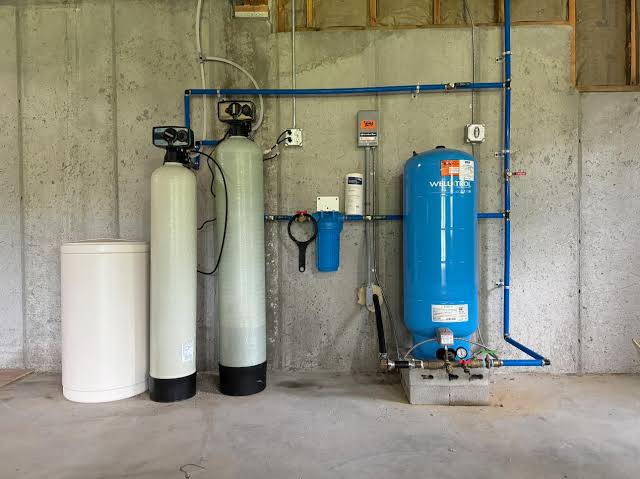
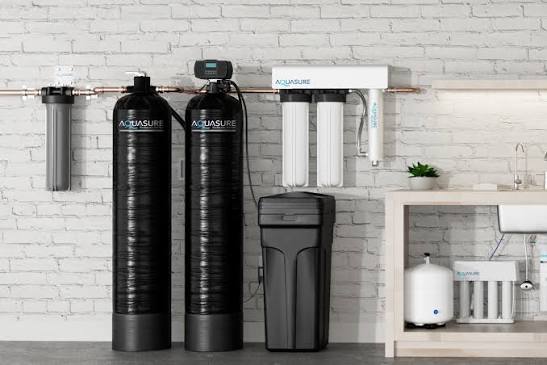
A carefully planned treatment setup may combine sediment filtration, oxidation, carbon filtration, softening, or disinfection where appropriate. Each stage should have a clear purpose. For example, sediment filtration may protect downstream equipment, while a softener addresses hardness rather than microbial contamination.
Related context Finding the Right Water Solution: How Modern Filtration Helps Create a Healthier Home
The system should also be sized for the household’s daily demand. A small unit may struggle when several showers, appliances, and faucets are running together. A qualified installer can assess the flow rate, pressure, plumbing layout, and available space before recommending a configuration.
Don’t overlook maintenance costs when comparing options. Replacement media, salt, electricity, water used during backwashing, and periodic service can all affect the long-term expense. A clear estimate should explain these requirements from the beginning.
Protecting Your Home From Leaks and Water Damage
Water quality isn’t the only concern for well owners. A leaking pipe, failed connection, or malfunctioning appliance can cause expensive damage even when the water itself has been treated properly.
A whole home automatic shut-off system can provide an additional layer of protection by detecting certain leaks and closing a connected water valve when its sensors or monitoring technology identify a problem. Depending on the model, the system may use moisture sensors, flow monitoring, or both.
These devices are not a substitute for plumbing maintenance, and their coverage depends on sensor placement and system design. Ask which leaks the equipment can detect, whether it monitors continuous flow, and what happens during a power or internet outage. Correct installation and periodic testing are important if the system is expected to respond when you’re away.
Related context The Everyday Signs Your Home’s Water Might Need More Attention
For homes with basements, utility rooms, or plumbing near valuable belongings, leak protection may offer useful peace of mind. It addresses a different risk from filtration, but both deserve consideration when planning a reliable home water setup.
Make Testing and Maintenance Part of Your Routine
Private well owners should establish a testing schedule based on local recommendations and the characteristics of their water source. Testing is particularly important after flooding, well repairs, or a sudden change in taste, smell, or appearance. Keep copies of reports so you can compare results over time.
Maintain the wellhead, protect the surrounding area from obvious contamination sources, and follow the manufacturer’s instructions for every treatment component. If a system stops performing as expected, investigate the cause rather than immediately replacing the entire setup.
Ultimately, reliable well water management comes down to understanding your water and responding to its actual needs. With appropriate testing, carefully chosen equipment, and consistent maintenance, you can address common problems while protecting your home’s plumbing and making everyday water use more dependable.