A home can look perfectly fine on the outside while small problems develop behind its walls. A pipe may be wearing out, a drain might be collecting debris, or an old water line could be leaking somewhere nobody can see. These issues don’t always announce themselves with a burst pipe or a flooded floor. Sometimes, the first clue is a slightly higher water bill or a patch of paint that suddenly begins to bubble.
That is why plumbing deserves more attention than it usually gets. It’s not the most glamorous part of homeownership, admittedly, but it affects comfort, cleanliness, and the condition of the property. Understanding how the system works and recognizing when something has changed can help you make better decisions before a minor inconvenience becomes a costly repair.
Understanding the Pipes You Rarely See
Most of the plumbing system remains hidden from view. Supply pipes carry fresh water to faucets, showers, appliances, and other fixtures, while drainage pipes move wastewater away from the building. When everything works correctly, the system feels almost effortless. Turn a handle, and water appears. Open the drain, and it disappears.
Problems begin when a pipe becomes damaged, a connection loosens, or mineral buildup interferes with normal flow. Corrosion, shifting soil, pressure changes, and ordinary aging can all affect plumbing materials over time. In colder climates, freezing temperatures may also cause exposed pipes to crack or split.
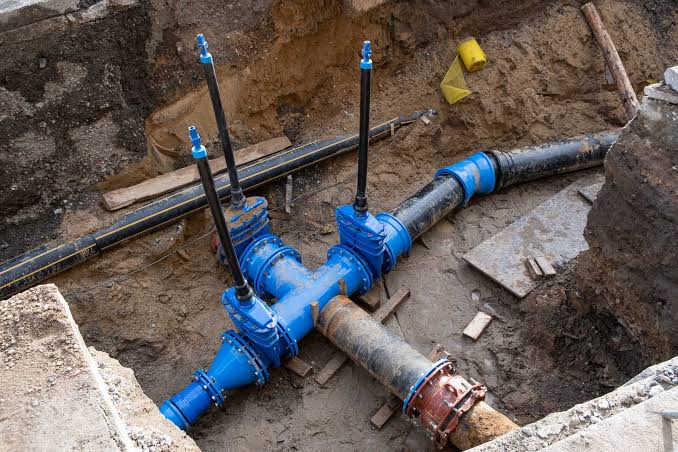
Professional water line installations & repairs can help maintain a dependable supply when pipes need replacing, connections require attention, or a damaged line must be repaired. The appropriate solution depends on the pipe’s location, material, condition, and the extent of the problem. Sometimes, a localized repair is sufficient. In other situations, replacing a longer section may be the more practical option.
Related context Your Home Deserves Better: Why Understanding Your Water Matters More Than Ever
Homeowners can help by checking accessible areas regularly. Look beneath sinks, around washing machine connections, and near the water heater. Watch for damp surfaces, corrosion, unexplained puddles, or a noticeable change in pressure. If you suspect a hidden leak, don’t start cutting into walls without knowing where the water is coming from. A professional inspection can help narrow down the cause and prevent unnecessary damage during the repair.
When Drainage Problems Point to Something Deeper
A slow kitchen sink is a familiar annoyance. You might remove some food debris, clean the strainer, and carry on with your day. Often, that’s enough. But when the same drain keeps clogging, or several fixtures begin draining poorly at the same time, the problem may extend beyond the visible opening.
Drainage systems handle a steady stream of wastewater, soap residue, grease, hair, and other materials. Over time, buildup can restrict flow. More serious issues may arise when tree roots enter a sewer pipe, joints deteriorate, or ground movement damages the line.
Professional sewer line services can help identify and address these problems before they lead to repeated backups. Depending on the inspection results, a plumber may recommend clearing an obstruction, examining the pipe with a camera, repairing a damaged section, or replacing part of the line. The right approach depends on the actual condition of the system rather than the symptoms alone.
Related context The Everyday Signs Your Home’s Water Might Need More Attention
There are warning signs worth taking seriously: sewage odors near drains, gurgling sounds, wastewater backing up into a tub, or several toilets and sinks behaving strangely at once. These symptoms can indicate a blockage or another drainage fault. If sewage enters the home, stop using affected fixtures and arrange professional help promptly. Wastewater can create sanitation concerns, and cleanup may require appropriate protective equipment.
A few everyday habits can reduce the risk of blockages. Keep grease out of kitchen drains, use strainers where practical, and avoid flushing wipes or hygiene products. Even products labeled as flushable may contribute to clogs in some systems. And if a drain repeatedly refuses to clear, pouring in stronger chemicals isn’t necessarily the answer.
Knowing When Older Pipes Need Replacing
Many homeowners live with older plumbing for years without giving it much thought. That’s understandable; pipes aren’t something you see every morning. Yet repeated leaks, discolored water, poor pressure, or recurring repair visits may indicate that the system is reaching the point where individual fixes no longer offer the best value.
Repiping services involve replacing some or all of a property’s existing water supply pipes. The scope can vary considerably. One home may need a limited replacement, while another may require a broader project because the pipework has deteriorated in several areas. A professional assessment helps determine whether repiping is justified and which materials are suitable for the property.
Related context Why Your Water Might Be the Secret Behind Better Laundry, Clearer Dishes, and Healthier Skin
It’s worth asking how the work will affect everyday life. Will water be shut off for part of the day? Which walls or ceilings may need access? How will the contractor protect furniture and flooring? Will surface repairs be included, or should you arrange them separately? These questions aren’t fussy; they’re part of planning a project responsibly.
Budget matters, too. Replacing pipes throughout a home can represent a significant expense, so request a clear estimate and understand what it covers. If a complete replacement isn’t necessary, a targeted repair may be enough. A trustworthy professional should explain the reasoning behind the recommendation and distinguish urgent concerns from improvements that can wait.
Everyday Maintenance Makes a Difference
You don’t need to become a plumbing expert to keep your system in better condition. Simple checks, performed regularly, can reveal problems while they’re still manageable.
Start with your water bill. If usage hasn’t changed but the cost rises noticeably, investigate. A running toilet or concealed leak may be wasting water. Listen for unusual sounds when fixtures aren’t in use, and check visible connections for moisture. After particularly cold weather, inspect exposed pipes for signs of damage.
Related context Cleaner Water, Better Living: A Relaxed Dive into Home Filtration Choices
It’s also sensible to learn where the main shutoff valve is located. If a pipe bursts, stopping the water supply quickly can limit the amount that enters the house. Make sure other adults in the household know how to operate it, too.
Avoid treating every unusual symptom as a reason for panic. A clogged faucet aerator may explain weak flow from one tap, while a sudden pressure drop throughout the property could point to a larger issue. The important thing is to notice the difference and respond accordingly.
Choosing the Right Professional for the Job
When plumbing fails, finding someone reliable can feel urgent. Still, take a moment to check qualifications, insurance, and relevant experience where applicable. Ask for a written estimate that explains the proposed work, materials, labor, and any potential additional costs.
Good communication matters just as much as technical skill. A professional should be willing to explain what they found, why a particular repair is recommended, and what alternatives may be available. For larger projects, ask about warranties, permits, inspections, and the expected schedule before approving the work.
Related context Understanding Your Well Water: From Unusual Smells to Reliable Home Treatment
Keeping records of previous repairs and installation dates can also be helpful. When a problem returns, those details give the plumber a clearer picture of the system’s history.
Protecting Your Home Starts With Small Decisions
Plumbing problems won’t always be avoidable, and even a well-maintained system eventually needs repairs. What matters is responding sensibly when warning signs appear. Check accessible pipes, care for your drains, pay attention to changes in water pressure, and don’t ignore recurring leaks.
With timely maintenance and professional advice when needed, you can protect your property from avoidable damage and keep daily routines running smoothly. The best plumbing system is often the one you barely think about—not because it never needs attention, but because problems are identified and handled before they take over your day.