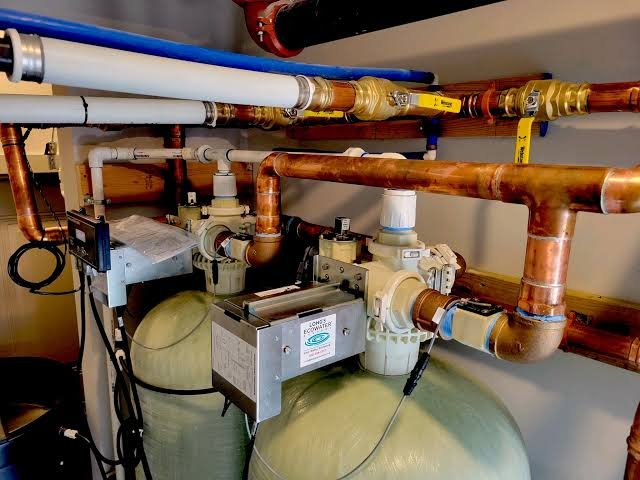
Most days, water feels like the least complicated part of life. You turn the tap, fill a glass, maybe don’t even look at it. It’s just there, doing its job quietly.
But every now and then, something shifts. Not in a dramatic way—more like a thought that lingers a bit longer than usual. You read something, hear a conversation, or notice a subtle change, and suddenly you’re wondering… what’s really in this water?
It’s not panic. It’s curiosity. And that curiosity, once it shows up, tends to stick around.
When “Clear” Doesn’t Mean Complete
We’ve been taught to trust what we can see. If water looks clear, it must be clean. And for the most part, that’s a fair assumption.
But clarity doesn’t tell the whole story.
Modern water systems are designed to handle a wide range of contaminants, but the world has changed. New substances, new challenges—they don’t always fit neatly into older systems.
That’s where things like pfas and emerging contaminants start to enter the conversation. These are compounds that have only recently gained attention, often because they persist in the environment longer than expected.
Related context What Really Happens Inside Your Reverse Osmosis System (And Why It Matters to Your Glass of Water)
You won’t taste them. You won’t smell them. But their presence has sparked a broader discussion about how we define “safe” water in today’s world.
The Role of the Environment Around Us
Water doesn’t exist in isolation. It moves through soil, across landscapes, and sometimes through areas influenced by human activity.
That means what surrounds us can influence what ends up in our water.
In agricultural regions, for example, substances like pesticides and herbicides can make their way into water sources. Not always in harmful amounts, and often well within regulatory limits—but present nonetheless.
It’s a reminder that water reflects its environment. And understanding that connection can help explain why quality varies from one place to another.
The Less Talked-About Factors
Some aspects of water quality don’t come up in everyday conversations at all.
Related context Where Your Water Really Comes From: Understanding Local Sources and What They Mean for Your Home
Take radiologicals and specialty testing, for instance. It sounds technical, maybe even intimidating, but it simply refers to specific types of analysis for elements that aren’t part of routine checks.
These tests aren’t always necessary. In many areas, they’re rarely a concern. But in certain regions or situations, they provide an extra layer of insight.
It’s not about assuming something is wrong—it’s about having the option to look deeper when you feel it’s worth it.
Why This Matters More Than It Seems
At first glance, all of this might feel a bit distant. After all, if your water looks fine and tastes okay, why dig deeper?
But water plays a bigger role than we often realize.
It’s in your coffee, your cooking, your daily routines. It touches nearly every part of your home. And even small differences in quality can shape those experiences in subtle ways.
Related context Clean Air, Clear Water, and a Healthier Home: One Family’s Journey to Breathing Better
Better water doesn’t always mean dramatic change. It often means fewer small annoyances—better taste, less residue, more consistency.
Turning Questions Into Clarity
The good news is, you don’t have to rely on guesswork.
If curiosity leads you there, testing your water can provide clear answers. Not assumptions, not general advice, but information specific to your home.
And once you have that information, everything becomes easier to navigate.
You might find that everything is perfectly fine. Or you might discover areas where small improvements could make a difference.
Either way, you’re no longer wondering—you’re understanding.
Related context When Small Property Problems Start Getting in the Way of Everyday Life
Keeping It Grounded
It’s easy to let topics like this feel overwhelming. The terms, the possibilities, the “what ifs.”
But it doesn’t have to be that way.
Think of it as a process, not a problem. A way to learn more about something you use every day, not a reason to worry.
Start with what you notice. Let curiosity guide you, not fear.
And take things one step at a time.
The Quiet Shift Toward Better Water
What’s interesting about improving water quality is how quietly it happens.
Related context Finding the Right Water Solution: How Modern Filtration Helps Create a Healthier Home
There’s no big moment where everything feels different. Instead, it’s a gradual shift. Water tastes a bit cleaner. Feels a bit lighter. Works a bit better with everything else in your home.
And over time, that becomes your new normal.
Final Thoughts
Water is one of those constants we rarely question. It’s always there, always part of the background.
But taking a closer look—just once in a while—can change how you see it.
Not in a dramatic way, but in a thoughtful one.
Because understanding what flows through your home isn’t about chasing perfection. It’s about creating a space that feels just a little more comfortable, a little more consistent, and a little more yours.