Let’s face it—when you first installed that sleek water filtration system, everything felt right. The water tasted crisp, your appliances thanked you, and you felt a quiet pride in doing something smart for your health and home. But over time, something changed. Maybe the water pressure dropped, or the taste became a little off. Maybe you’re just not getting the same performance you once did. Sound familiar?
That’s not just in your head. Water systems age, and with that age comes a slew of minor issues that slowly chip away at their performance. Today, we’re digging into what’s really going on behind the scenes—what causes these systems to decline and, more importantly, what you can do to bring them back to life.
When Things Start to Slip: Understanding Efficiency Loss
One of the first signs that your system isn’t pulling its weight is a subtle but steady efficiency decline. This might look like lower water pressure, longer filtering times, or a system that cycles more often than it used to. In most cases, this happens so gradually that you only notice it when it’s already pretty far gone.
Efficiency loss isn’t always dramatic, but it adds up. A 10% drop in flow rate might not bother you much on day one, but fast forward a year, and you’re standing at the sink waiting 30 seconds longer to fill your kettle. In households with high demand—say, large families or homes with multiple filtration points—this decline can mess with your whole water experience.
Related context Where Your Water Really Comes From: Understanding Local Sources and What They Mean for Your Home
Behind the Scenes: What Causes Wear and Tear
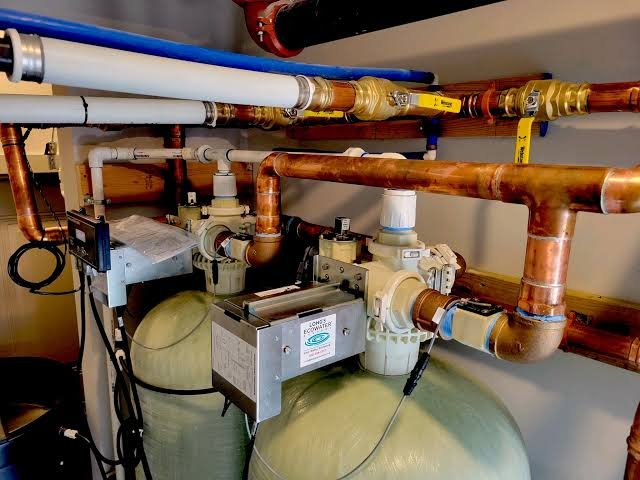
Now let’s talk parts. Filters don’t live forever. Neither do O-rings, seals, or membranes. These components are doing heavy lifting every day—trapping particles, resisting pressure, and standing up to minerals, chemicals, and bacteria. Naturally, they wear down over time.
So when your water isn’t as clean or your system starts making weird noises, it could be due to worn components. A worn-out filter, for instance, doesn’t just stop working—it might let contaminants slip through. Worse, it can create back pressure that stresses other parts of your system, leading to a chain reaction of inefficiency and potential damage.
And let’s not forget: some systems are more prone to this than others. Budget-friendly models or those with minimal maintenance guidelines can see component fatigue much earlier than higher-end, service-friendly units.
The Quiet Cost of Dirty Water
It’s easy to dismiss minor drops in performance. You might think, “The water still looks clear, what’s the problem?” But here’s the truth: even a slightly underperforming filter can let contaminants through.
Related context Finding the Right Water Solution: How Modern Filtration Helps Create a Healthier Home
And it’s not just about what you drink. Contaminated water affects everything—from your laundry to your dishwasher to your skin. If your system isn’t maintaining clean water systems standards, you could be bathing in water that contains more chlorine, sediment, or bacteria than you’d ever guess.
That’s not scare tactics—it’s just the reality of maintenance. Water systems don’t usually give off big red warning signs. They whisper. And if you’re not listening, you might miss the moment when performance tips into risk.
The Maintenance Mindset: Prevention Over Panic
So how do you prevent this slide? The key lies in proactive maintenance—not just reactive repairs. If you’ve been waiting for something to break before calling a technician or replacing a filter, you’re already behind.
Start by creating a filter replacement calendar. Most systems have suggested lifespans for each component—3 months, 6 months, a year. Set reminders. Treat it like dental checkups or oil changes. It’s not glamorous, but it’s non-negotiable.
Related context The Everyday Signs Your Home’s Water Might Need More Attention
Regularly inspect your system for leaks, corrosion, or noise. Flush it if your model allows it. Keep an eye on water pressure and taste. These subtle changes are your system’s way of telling you it’s getting tired.
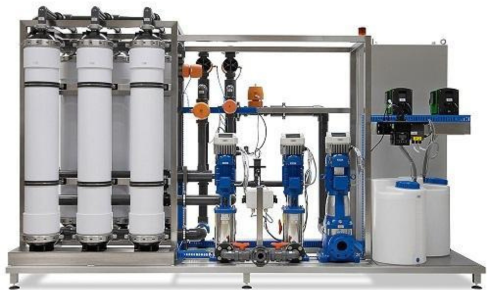
And don’t be afraid to call in help. A professional servicing once a year can catch issues before they spiral—especially in systems with reverse osmosis or UV filtration, where precision matters.
When It’s Time to Upgrade
There comes a point when maintenance just isn’t enough. If your system is 5–10 years old and constantly giving you grief, it might be time to consider an upgrade.
Related context Better Water Starts With the Right Treatment for Your Home
Modern filtration systems come with smart sensors, auto-alerts, and longer-lasting components. Some can even send maintenance reminders to your phone. If you’ve had the same unit since the early 2010s, you’ll be surprised how far the tech has come.
Don’t wait until a full breakdown forces your hand. Upgrading on your terms—after some research and planning—puts you in control of cost, quality, and features.
The Bigger Picture: Water Quality Is a Living Thing
One last point: even if your system is in great shape, the water coming into your home might not be. Water quality varies by season, region, and municipal activity. Construction nearby? Agricultural runoff? Old city pipes? Any of these can affect your water, even temporarily.
That’s why it’s smart to test your water once or twice a year. You can buy simple kits online or hire a local lab. Knowing what’s in your water helps you decide whether your system is still up to the job—or if you need to adjust your filtration goals.
Related context A Simple Guide to Choosing and Caring for Your Home Water Treatment System
A Final Word
Your water system doesn’t ask for much—just a bit of attention now and then. And in return, it gives you something invaluable: safety, peace of mind, and the comfort of knowing your family’s water is clean and dependable.
So next time your tea tastes off or the shower pressure dips, don’t shrug it off. Take a closer look. A minor fix now can save you a major headache later.
After all, in a world full of things you can’t control, clean water at home is something you can.