There’s nothing particularly satisfying about scrubbing a shower door on Sunday afternoon, especially when you know those cloudy white marks will return within a few days. Hard water has a way of creating repetitive household chores. It leaves deposits around faucets, affects soap performance, and can gradually contribute to problems inside water-using appliances.
Investing in suitable water treatment for hard water can help homeowners tackle these frustrations at their source rather than continually dealing with their consequences.
For families across Virginia and Maryland, a better understanding of water hardness can lead to some worthwhile household improvements. The good news is that managing hard water doesn’t necessarily require complicated equipment or dramatic changes to your daily routine.
Why Hard Water Creates So Many Everyday Problems
Hard water develops naturally when water collects dissolved calcium and magnesium as it passes through soil and rock formations. These minerals are common in groundwater, although hardness levels vary considerably between locations.
While hard water isn’t generally considered a health hazard, it can certainly make household maintenance more demanding.
When mineral-rich water evaporates, it leaves behind chalky deposits. You’ve probably noticed them around kitchen faucets, showerheads, or inside your favorite kettle.
Hardness minerals also react with soap, sometimes leaving behind a stubborn residue that requires additional cleaning.
Related context Understanding Your Well Water: From Unusual Smells to Reliable Home Treatment
Over time, these little inconveniences add up. Extra detergent, frequent descaling, and repeated bathroom cleaning can become unnecessary expenses and demands on your time.
How Water Softening Addresses the Problem at Its Source
Cleaning products can remove existing deposits, but they won’t change the mineral content of incoming water. That’s where dedicated treatment equipment comes into the picture.
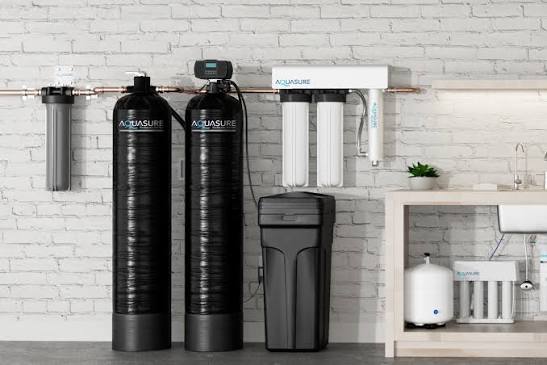
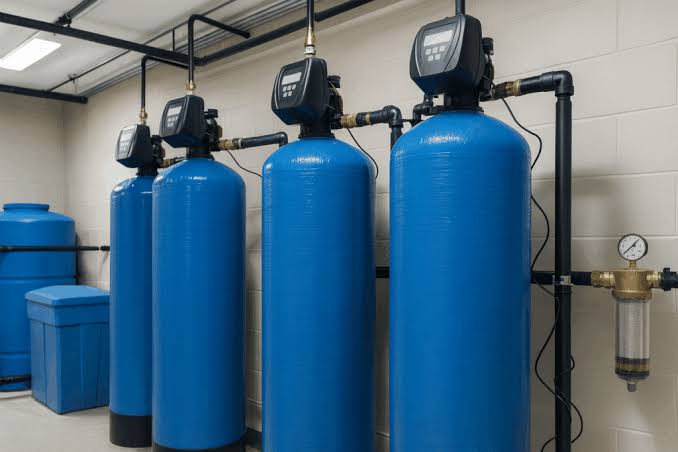
Traditional softening systems for household water use ion exchange technology to reduce dissolved calcium and magnesium, helping prevent excessive hardness-related deposits from forming throughout connected plumbing.
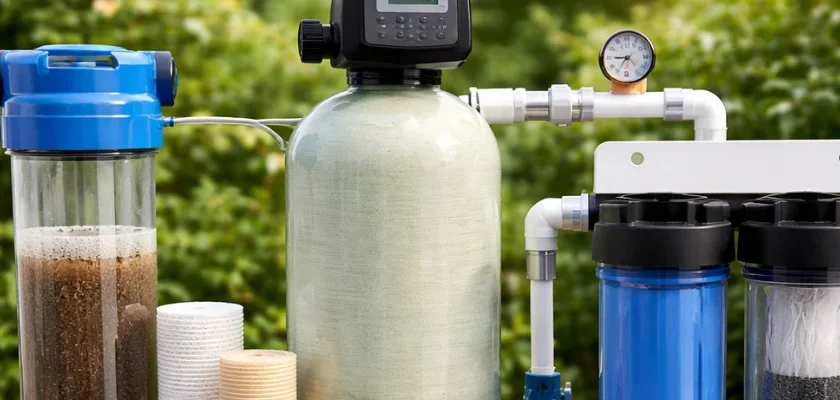
Inside a conventional softener, water passes through a resin bed that exchanges hardness minerals for sodium or potassium ions.
The resin periodically undergoes regeneration to restore its treatment capacity.
It’s a relatively straightforward process that has practical applications in everyday residential properties.
However, equipment efficiency varies, making it worthwhile to compare regeneration requirements, treatment capacity, and overall operating expenses before making a purchase.
Related context Better Water Starts With the Right Treatment for Your Home
Exploring Different Ways to Manage Water Hardness
Shopping for water treatment equipment can feel overwhelming. There are traditional softeners, salt-free conditioners, digital controls, and plenty of impressive-sounding features.
When evaluating water softener options for homeowners, focus on measured water hardness, household consumption, installation requirements, and the actual performance of each technology.
Conventional ion exchange equipment removes hardness minerals from water. Salt-free conditioning systems generally aim to manage scale formation without removing those minerals.
The distinction matters because the results aren’t necessarily identical.
Demand-initiated softeners may also be worth considering since they regenerate according to measured water usage rather than relying exclusively on fixed schedules.
The right choice should reflect your household’s priorities, budget, and willingness to manage routine maintenance.
Giving Your Appliances a Better Chance of Lasting Longer
Most homeowners don’t think much about what’s happening inside their water heater or dishwasher until something stops working.
Related context Your Home Deserves Better: Why Understanding Your Water Matters More Than Ever
Unfortunately, hardness-related scale can accumulate gradually inside equipment that regularly heats water.
Substantial mineral deposits may interfere with heat transfer and contribute to increased maintenance requirements. In some circumstances, they can also affect operating efficiency.
Reducing water hardness helps limit the formation of new mineral deposits, potentially supporting the performance of compatible appliances.
Of course, installing a softener won’t automatically repair existing damage or eliminate every maintenance concern.
Still, reducing excessive hardness can be a sensible preventive measure, particularly when you’re already spending time and money dealing with persistent scale accumulation.
The Everyday Comforts That Come With Softer Water
Some benefits of water softening become noticeable through surprisingly ordinary experiences.
Soap may lather more easily during showers, freshly washed clothes may feel different, and bathroom surfaces could require less frequent removal of mineral deposits.
Related context Cleaner Water, Better Living: A Relaxed Dive into Home Filtration Choices
You might also discover that you’re using more detergent than necessary. Adjusting cleaning product quantities after installing a softener can help you get accustomed to the change.
Softened water sometimes feels slightly slippery against the skin, which can surprise people who have spent years living with hard water.
Preferences vary, naturally. But for many households, the reduced cleaning effort alone makes softening worth exploring.
Why Testing Should Come Before Installation
Before purchasing equipment, it’s worth finding out just how hard your water actually is.
Reliable testing provides measurable information that helps determine suitable equipment capacity and operating settings.
It can also identify other concerns that conventional softening won’t address, such as certain chemical contaminants or microbial contamination.
Private well owners should arrange appropriate laboratory testing rather than relying exclusively on basic hardness measurements.
Related context A Simple Guide to Choosing and Caring for Your Home Water Treatment System
Understanding your water source allows you to make better purchasing decisions and avoid investing in unnecessary equipment.
Remember, soft water isn’t automatically purified drinking water. Additional treatment may be appropriate depending on your particular circumstances.
Making Water Softening a Manageable Long-Term Investment
A dependable water softener should complement your household routine rather than complicate it. Before installation, consider salt replenishment, servicing requirements, drainage arrangements, and replacement component availability.
Following manufacturer maintenance recommendations helps preserve treatment performance and manage operating costs.
Ultimately, tackling hard water is about making your home a little easier to live in. Fewer stubborn deposits, less repetitive cleaning, and reduced mineral-related maintenance concerns are practical improvements that can make a difference over time.
Not every home improvement needs to be dramatic. Sometimes, simply reclaiming a little of your weekend from unnecessary household chores is a perfectly good reason to invest in better water.