Water quality can be a surprisingly personal thing. One household may have perfectly pleasant tap water, while another nearby home deals with hard-water buildup, unusual taste, staining, or concerns about what is actually coming through the pipes. The difference isn’t always obvious from the outside.
Across Northwest Oregon, changing local conditions, water sources, plumbing systems, and private wells can all influence the way water behaves inside a home. For homeowners, the challenge isn’t simply finding a filter. It’s figuring out what the water actually needs and choosing a treatment approach that makes sense for everyday life.
Understanding Your Local Water
Water can travel quite a journey before it reaches your kitchen faucet. Municipal supplies are treated and monitored, while private wells depend on groundwater conditions and the individual property. Even natural minerals in the surrounding soil and rock can influence water chemistry.
Homeowners may notice signs such as white scale around faucets, reddish staining, unpleasant odors, or a change in taste. These clues are worth paying attention to, but they don’t tell the whole story.
Testing can provide a much clearer picture. Instead of guessing what might be causing a problem, you can identify the characteristics that actually need attention.
Water Treatment Isn’t One-Size-Fits-All
The phrase water treatment covers a pretty broad range of technologies. Filters, softeners, reverse osmosis systems, UV treatment, sediment filters, and specialized equipment all have different purposes.
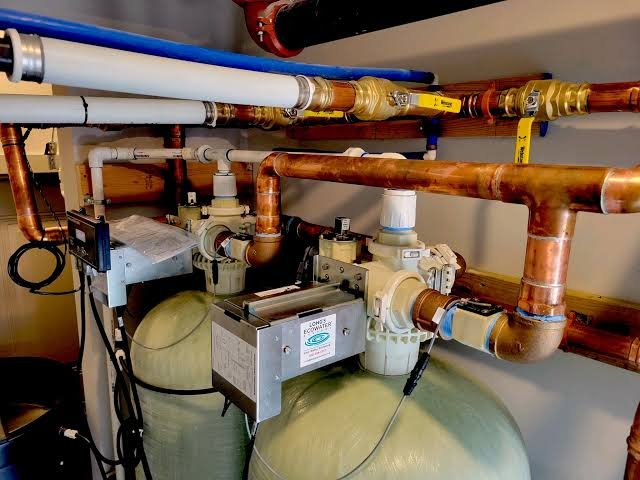
For example, a water softener is generally used to address hardness minerals, while certain filtration systems may focus on sediment, taste, odor, or specific contaminants. Reverse osmosis can provide more extensive treatment for some dissolved substances.
Related context City Tap or Private Well? Finding the Right Water Solution for Your Home
This is why buying a system simply because it has the most stages isn’t necessarily smart. More technology doesn’t always mean better results.
The best approach is to match the equipment to the water.
Why Testing Should Come First
It can be tempting to search online, find a highly rated water filter, and order it immediately. But water treatment isn’t really a situation where one product fits everyone.
A water test can identify characteristics such as hardness, iron, pH, total dissolved solids, or other concerns depending on the type of analysis. For private wells, testing can be particularly valuable because groundwater quality can vary from one property to another.
Once you know what’s present, you have a much better chance of choosing treatment that actually works.
It may also save money. Why spend thousands on equipment designed to solve problems your home doesn’t have?
The Importance of Well Water Testing
Private wells deserve special attention because homeowners are responsible for understanding and monitoring their own water supply. Changes in groundwater conditions, flooding, nearby land use, or problems with the well itself can sometimes affect water quality.
Related context Where Your Water Really Comes From: Understanding Local Sources and What They Mean for Your Home
This doesn’t mean well water is automatically unsafe or problematic. Plenty of households rely on private wells successfully for years. It simply means testing and maintenance shouldn’t be forgotten.
If well water suddenly changes in taste, color, smell, or appearance, it’s worth investigating rather than hoping the issue disappears.
What Homeowners Should Look for in a Treatment System
When comparing systems, don’t focus only on the headline price. Look at what the equipment is actually designed to do.
Check the manufacturer’s specifications and any relevant certifications. Find out which contaminants or water characteristics the system is intended to address. Ask how often filters need to be changed and whether replacement parts are readily available.
Installation matters too. A good system installed incorrectly may not perform as expected.
A reputable water professional should be able to explain the equipment without drowning you in technical language. If you leave the conversation more confused than when you started, that’s probably not a great sign.
Related context A Simple Guide to Choosing and Caring for Your Home Water Treatment System
Considering Homes Across Southwest Washington
Water concerns don’t stop at a state border. Homeowners in Southwest Washington can also encounter different water conditions depending on whether they use municipal supplies, private wells, or other sources.
Local geology, seasonal conditions, property infrastructure, and the age of plumbing can all play a role. That’s why regional experience can be useful when selecting a water-treatment professional.
Someone familiar with local homes and water conditions may have a better understanding of the issues homeowners commonly encounter. Still, your own water test should remain the foundation for treatment decisions.
Hard Water Is Often More Than a Cleaning Nuisance
Hard water is one of the most common complaints homeowners have. Calcium and magnesium can form scale on faucets, showerheads, glassware, and appliances.
At first, the problem may seem purely cosmetic. A few white spots here and there aren’t exactly a household emergency. But significant scale can build inside water heaters and other equipment over time.
A water softener may help reduce hardness-related problems, but it shouldn’t be confused with a general-purpose filtration system. Understanding that difference can prevent homeowners from expecting one piece of equipment to do everything.
Don’t Forget About Maintenance
Water treatment equipment generally works quietly in the background, which makes maintenance easy to forget.
Related context Finding the Right Water Solution: How Modern Filtration Helps Create a Healthier Home
Filters eventually become exhausted. Components can wear out. Settings may need adjustment, and certain systems require periodic cleaning or professional service.
Keep a simple record of filter replacements and service visits. If the water starts behaving differently, don’t assume the treatment system will automatically compensate.
Regular maintenance isn’t glamorous, admittedly. But it’s one of those small household jobs that can prevent bigger headaches later.
Choosing a Solution That Fits Real Life
Think about how your household actually uses water. Do you cook frequently? Fill reusable bottles every morning? Have several bathrooms? Use a lot of water for laundry? Depend on a private well?
These everyday details can influence the type and size of treatment system that makes sense.
You also need to consider available space, installation requirements, maintenance, and long-term operating costs. A system that works beautifully but requires constant attention may not be the right fit for a busy household.
Related context Finding the Right Help for Your Water Needs Shouldn’t Feel Complicated
Practicality matters.
A Better Approach to Water Quality
Good water treatment doesn’t begin with a product brochure. It begins with understanding the water.
Test first. Identify the actual concern. Compare treatment technologies based on those findings, and consider both installation and long-term maintenance before making a decision.
For homeowners throughout Northwest Oregon and Southwest Washington, local conditions can make water quality a little different from property to property. That’s exactly why personalized testing and sensible treatment choices matter.
You don’t necessarily need the biggest, most complicated system available. You need one that addresses your home’s real needs and continues to perform properly over time.
Once you’ve got that right, water treatment becomes something you barely think about — which, honestly, is probably how it should be.