Every building has those little problems that seem too minor to worry about. A door doesn’t close quite right. A section of drywall gets damaged. A trim piece comes loose. Maybe the same annoying issue has been sitting there for months because nobody has had the time to deal with it.
That’s where practical maintenance becomes valuable. Good residential and commercial services aren’t simply about making a property look tidy. They’re about keeping everyday spaces safe, functional, comfortable, and in decent shape before small issues become expensive ones.
Whether it’s a family home, rental property, office, retail space, or another type of building, regular attention can save plenty of frustration down the road.
Small Repairs Can Have a Bigger Impact
A damaged wall or poorly functioning door might not seem like a major concern. But think about how often you interact with these things.
You open doors dozens of times a day. You walk past the same wall every morning. Employees, customers, tenants, or family members use the same spaces repeatedly. When something doesn’t work properly, you notice it—even if only for a second.
Over time, these small annoyances add up.
Related context The Everyday Signs Your Home’s Water Might Need More Attention
That’s why it’s useful to deal with repairs while they’re still manageable. A loose door handle is usually easier to fix than a damaged frame. A small drywall hole is easier to patch before surrounding material begins to crack or deteriorate.
Doors Tell You When Something Is Wrong
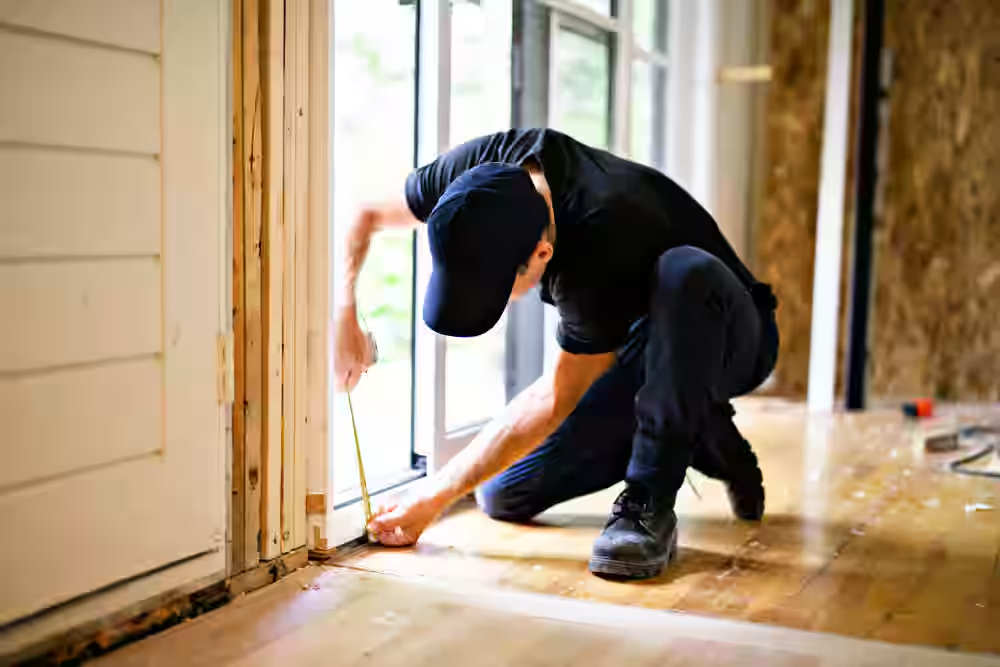
Doors are surprisingly good at revealing changes in a building. If a door that once opened smoothly suddenly starts rubbing against the floor, sticking in the frame, or refusing to latch, there’s usually a reason.
Sometimes humidity is responsible. Wood can expand and contract as moisture levels change. Other times, hinges have loosened, the frame has shifted slightly, or the door itself needs adjustment.
If you’re dealing with sticky doors, don’t immediately assume the entire door needs replacing. Start by checking the hinges, frame, latch, and alignment. A small adjustment may solve the issue.
However, if the problem keeps returning, it’s worth looking deeper. Repeated sticking can occasionally point to moisture damage or movement around the opening.
Drywall Damage Shouldn’t Be Ignored
Drywall takes plenty of punishment in busy homes and commercial spaces. Furniture gets moved. Doors swing open too far. Shelves are installed and removed. Kids, pets, and everyday accidents all leave their mark.
Related context A Down-to-Earth Look at Commercial Roofing, Insurance, and Smart Restoration
Small dents and holes may be easy to overlook, but repairing them can make an entire room feel cleaner.
Professional door and drywall repair can address more than visible damage. A skilled repair can also help restore the surrounding surface so that the finished area doesn’t look like an obvious patch job.
For drywall, proper preparation is important. The damaged area needs to be cleaned and stabilized before applying joint compound or patching material. After it dries, sanding and blending the texture help create a more seamless finish.
Painting is the final step, but matching the existing color can sometimes be harder than expected. Paint fades over time, and different lighting can make the same color appear surprisingly different.
Homes and Businesses Have Different Needs
A homeowner might need a damaged interior door repaired or a few holes patched before selling a property. A business, meanwhile, may need repairs completed quickly because damaged fixtures can affect employees and customers.
Commercial properties also tend to experience heavier daily use. Doors open constantly, walls take more wear, and small maintenance problems can become noticeable very quickly.
Related context Safe Sips and Peace of Mind: Why Every Home Deserves Better Water
That doesn’t mean every repair requires an emergency response. It simply means property owners and managers should have a system for identifying and prioritizing maintenance issues.
Safety-related problems should obviously come first. Cosmetic repairs can follow, depending on the condition and importance of the area.
Don’t Forget the Hardware
Sometimes the visible problem isn’t actually the main problem.
A door may seem damaged when the real issue is a loose hinge. A latch might fail because the strike plate has shifted. A wall fixture may appear unstable because the mounting point underneath has deteriorated.
This is why simply replacing the most obvious component isn’t always the best solution.
Take a moment to inspect the surrounding area. Look for loose screws, cracks, gaps, moisture stains, or unusual movement. If you’re unsure, having someone experienced assess the problem can prevent unnecessary repairs.
Related context Better Water Starts With the Right Treatment for Your Home
Preventive Maintenance Saves Trouble
Waiting until something breaks completely is rarely the most economical approach.
Regular inspections can catch problems early. Check doors, windows, walls, trim, cabinets, and other frequently used areas every few months. Look for changes rather than expecting everything to remain exactly as it was.
For businesses, keeping a maintenance log can be especially useful. Record what was repaired, when it happened, and whether the issue returned. Patterns can tell you a lot.
For example, if the same door needs adjustment repeatedly, there may be an underlying problem that deserves attention.
Know When Professional Help Makes Sense
DIY repairs can be satisfying, and there are certainly jobs that don’t require professional assistance. Small nail holes, basic hardware adjustments, and minor cosmetic fixes are often manageable with the right tools.
But more complicated repairs can involve hidden issues. Structural movement, significant water damage, electrical problems, or badly damaged frames shouldn’t be treated as simple weekend projects.
Related context Finding the Right Water Solution: How Modern Filtration Helps Create a Healthier Home
Professional help is particularly useful when the cause of the problem isn’t obvious. Fixing the visible symptom without addressing the source can mean doing the same job again a few weeks later.
A Little Attention Goes a Long Way
A well-maintained property doesn’t have to look brand new. Real homes and working buildings naturally show some wear. That’s normal.
What matters is keeping small problems from becoming bigger ones.
A properly working door, a cleanly repaired wall, and well-maintained hardware can make a space feel more comfortable and cared for. More importantly, timely maintenance can protect the property and reduce the chances of expensive surprises later.
So if there’s a door that keeps sticking, a wall you’ve been meaning to patch, or a repair you’ve been putting off for “someday,” maybe today is a good time to deal with it. Sometimes, improving a property is simply about taking care of the little things before they start demanding your attention.