Hot water is one of those comforts that quietly holds a household together. Morning showers, clean dishes, fresh laundry, and even a quick hand wash all depend on a water heating system doing its job without complaint. Most days, nobody thinks about it. That’s probably a good thing.
But when the water turns lukewarm too soon, the heater starts making strange noises, or a leak appears near the unit, the whole routine changes. Suddenly, the system sitting quietly in a garage, closet, or utility room becomes the centre of attention.
Why Regular Care Matters
A water heater works hard, often every single day. Over time, sediment can collect, valves can wear down, and parts can lose efficiency.
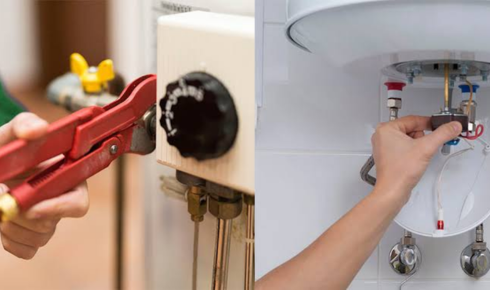
Proper water heater maintenance helps keep the system safe, efficient, and dependable. It may include flushing the tank, checking the pressure relief valve, inspecting connections, testing the thermostat, and looking for early signs of corrosion or leakage.
This kind of care is not glamorous, but it can prevent sudden breakdowns. It may also help the unit last longer and perform better, especially in homes with hard water or heavy daily usage.
Plumbing Support Beyond the Water Heater
A water heater does not work alone. It connects to pipes, valves, fixtures, pressure controls, and sometimes filtration systems. If one part of the plumbing setup has a problem, it can affect the performance of the entire home.
Related context Learning to Drive Feels Simple—Until You Actually Start Doing It
Professional plumbing services can help identify whether a hot water issue is coming from the heater itself or from another part of the system. Low pressure, unusual temperature changes, leaks, or slow delivery may be linked to pipe conditions, mineral buildup, or faulty fixtures.
A trained plumber can look at the bigger picture instead of treating every symptom as a separate problem.
Installation Should Be Done Right from the Start
A new water heater is only as good as the way it is installed. Poor connections, wrong sizing, incorrect venting, or unsafe setup can lead to wasted energy, leaks, pressure problems, or early failure.
That is why professional installation is so important. A qualified technician can make sure the unit matches the household’s needs, is connected safely, and follows the proper requirements for gas, electric, tank, or tankless systems.
A well-installed system gives homeowners confidence. It heats properly, runs safely, and avoids many of the problems that come from guesswork or rushed setup.
Related context A Simple Guide to Choosing and Caring for Your Home Water Treatment System
Warning Signs Homeowners Should Notice
Water heaters usually give a few hints before they fail completely. The trick is not ignoring them.
Common signs include inconsistent hot water, rumbling sounds, rusty-coloured water, moisture around the base, rising energy bills, or water that takes much longer than usual to heat. These symptoms may point to sediment buildup, corrosion, failing heating elements, or pressure issues.
Even if the system still works, these clues deserve attention. A small repair today may prevent a cold shower tomorrow.
The Cost of Waiting Too Long
It is easy to delay service when the system is still producing some hot water. Many homeowners think, “Maybe it will be fine for a few more weeks.”
Sometimes it is. Sometimes it isn’t.
Related context Why Home Water Quality Matters More Than Most People Realize
Waiting too long can turn a manageable issue into water damage, emergency replacement, or higher utility bills. A leaking unit can harm flooring, walls, and stored items nearby. A struggling heater may work harder than necessary, wasting energy every day.
Early attention is usually the calmer, cheaper path.
Choosing the Right Water Heater
Not every home needs the same water heating system. Household size, number of bathrooms, daily routines, fuel type, space, and budget all matter.
A small household may do well with a standard tank model. A larger family might need higher capacity or a properly sized tankless system. Some homeowners care most about upfront cost, while others focus on efficiency and long-term savings.
The best choice is not always the newest or most expensive option. It is the one that fits the home’s actual use.
Related context Better Water Starts With the Right Treatment for Your Home
Efficiency Makes Everyday Life Easier
An efficient water heater does more than reduce energy waste. It often delivers better performance and more consistent comfort.
Sediment buildup, poor insulation, aging parts, or incorrect settings can all make a system less efficient. Maintenance and timely upgrades can help the unit run more smoothly.
Over months and years, efficiency can affect both comfort and cost. That makes it worth paying attention to, even when the heater seems to be working “well enough.”
Safety Should Never Be an Afterthought
Water heaters involve pressure, heat, electricity, gas, or combustion depending on the type of system. That means safety matters.
A faulty valve, poor venting, loose connection, or neglected leak can create risks. Homeowners do not need to panic, but they should respect the system enough to have it serviced properly.
Related context Finding the Right Water Solution: How Modern Filtration Helps Create a Healthier Home
Professional checks help make sure everything is operating as it should.
Final Thoughts
A reliable water heater is not the most exciting feature in a home, but it is one of the most appreciated when it works correctly. Hot showers, clean dishes, comfortable routines, and lower stress all depend on it.
Regular care, skilled plumbing support, and correct installation can make a major difference in performance and lifespan.
In the end, hot water should feel effortless. With the right attention, it usually can.