Introduction
Access to continuous care and behavioral support services is essential for individuals who require assistance with daily living, complex needs, or disability-related challenges. Across Victoria, demand for personalized and flexible care solutions is increasing as families seek safe and reliable support options. These services are designed to promote independence, dignity, and comfort within familiar home environments. A key part of this growing support system is 24 hours in-home care Victoria, which ensures individuals receive round-the-clock assistance tailored to their medical, physical, and emotional needs. This model of care helps reduce hospital admissions while improving overall well-being and quality of life.
Understanding 24-Hour In-Home Care Services
24-hour in-home care is a comprehensive support system designed for individuals who need constant supervision or assistance. This may include elderly people, individuals with disabilities, or those recovering from illness or injury. Care workers operate in shifts to ensure uninterrupted support throughout the day and night. Services typically include personal care, medication management, mobility assistance, meal preparation, and companionship.
Related context Essential Mobility and Support Aids for Everyday Comfort
One of the main advantages of this care model is that individuals can remain in their own homes while receiving professional support. This familiarity contributes to emotional stability and reduces stress compared to residential facilities. Families also benefit from peace of mind knowing that their loved ones are safe and supported at all times. In Victoria, these services are increasingly tailored to meet individual needs, ensuring a balance between independence and safety.
The Importance of Behavioral Support Services
Behavioral support plays a critical role in helping individuals manage complex emotional and psychological challenges. It focuses on understanding the reasons behind behaviors and developing positive strategies to improve communication, safety, and daily functioning. Support plans are created through detailed assessments and collaboration between professionals, families, and caregivers.
Related context Why Home Water Quality Matters More Than Most People Realize
These services are particularly beneficial for individuals with autism, intellectual disabilities, or mental health conditions. They aim to reduce challenging behaviors while promoting positive alternatives that enhance quality of life. Care teams use evidence-based approaches to build trust, encourage learning, and support emotional regulation. By addressing underlying causes rather than just symptoms, behavioral support creates long-term improvements in independence and social participation.
Positive Behaviour Support in Victoria
In Victoria, behavioral services are guided by structured frameworks that prioritize respect, dignity, and person-centered care. The focus is on empowering individuals to develop skills that allow them to participate more fully in their communities. Support plans are regularly reviewed and adjusted to ensure they remain effective and relevant.
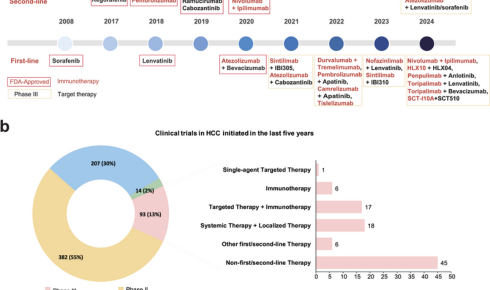
Related context Targeted Therapies and Long-Term Benefits: Advances in Endocrine, Toxicology, and Liver Disease Trials
A growing number of providers now offer integrated care models that combine daily living assistance with behavioral interventions. This holistic approach ensures that individuals receive consistent support across all aspects of their lives Positive Behaviour Support Victoria services emphasize reducing restrictive practices while encouraging positive reinforcement strategies. This not only improves individual outcomes but also supports families and caregivers by providing practical tools and guidance.
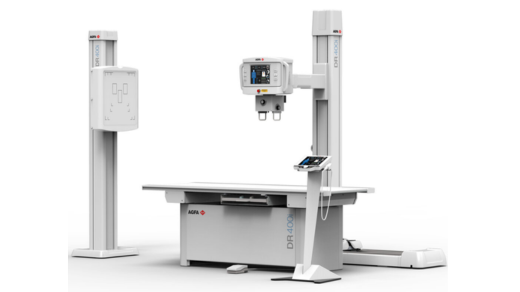
Related context The Future of Diagnostic Imaging – Innovations in DR x-ray Technology
Benefits of Integrated Care and Support
Combining in-home care with behavioral support services offers significant benefits for individuals and families. It ensures continuity of care, reduces the need for multiple service providers, and creates a more coordinated support system. Individuals receive personalized attention that addresses both physical needs and behavioral challenges.
This integrated approach also helps improve communication between caregivers, healthcare professionals, and families. Regular monitoring and feedback allow for timely adjustments to care plans, ensuring better outcomes. Additionally, it supports long-term independence by teaching life skills and encouraging self-management wherever possible.
Related context 40 Natural Remedies for Everyday Ailments
Conclusion
In conclusion, Victoria’s care system continues to evolve to meet the growing needs of individuals requiring both daily assistance and behavioral support. Services such as 24-hour in-home care and positive behavior programs play a vital role in enhancing independence, safety, and quality of life. With a strong focus on person-centered care, these services ensure that individuals can live with dignity, comfort, and meaningful community participation while receiving the support they need.